Ahead of the 80th Anniversary of the Lviv Pseudo-Council, Kyiv Discussion Focuses on Russia’s Imperial Policy Toward the Ukrainian Greek Catholic Church
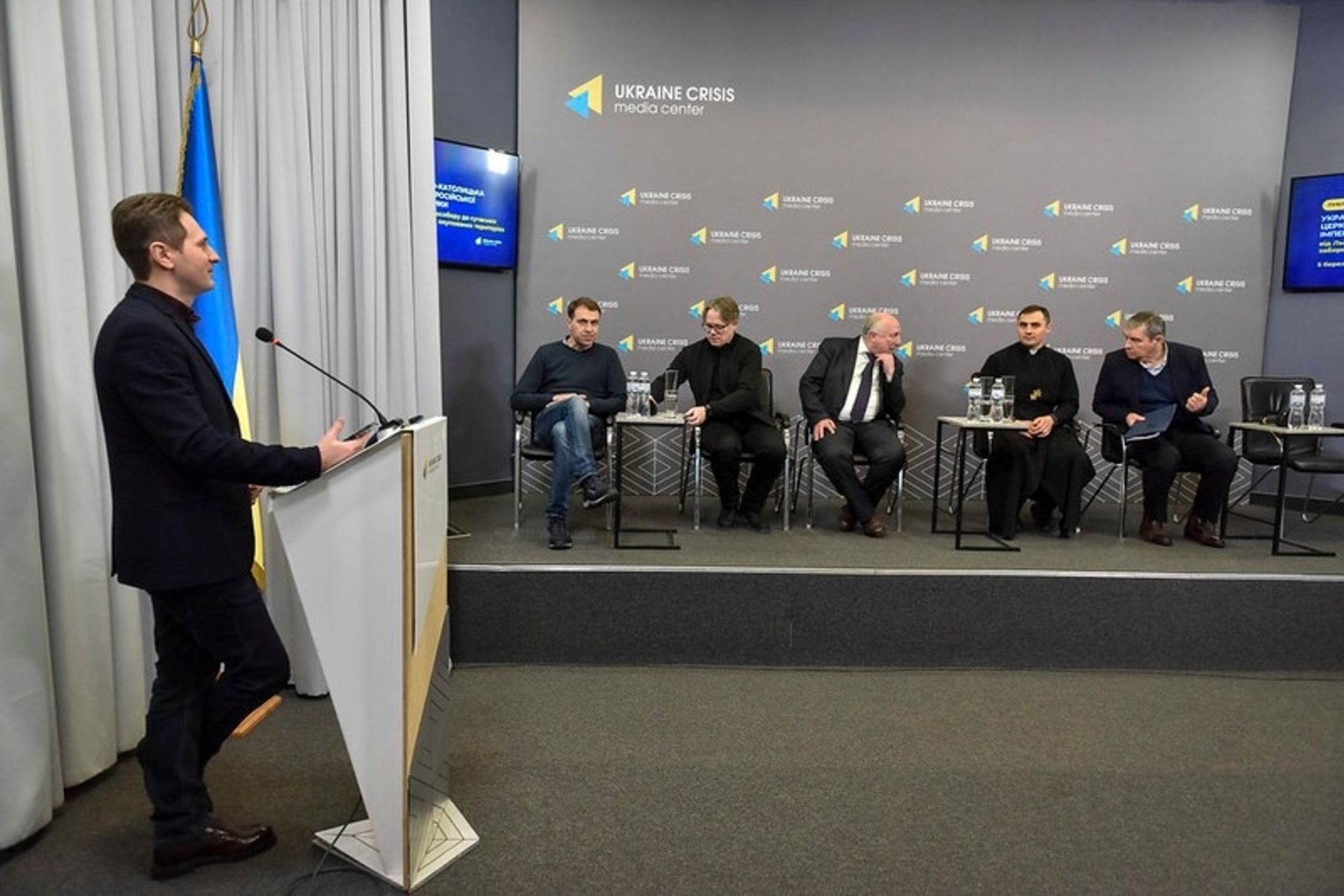
On March 5, the Ukraine Crisis Media Center hosted a public discussion entitled “The Ukrainian Greek Catholic Church in the Crosshairs of Russian Imperial Policy: From the Lviv Pseudo-Council to Contemporary Prohibitions.” Historians, clergy, and government officials analyzed the continuity of the Kremlin’s repressive policies toward the UGCC: from Stalin’s liquidation plans in 1946 to modern bans on the Church’s activities in the occupied territories of Ukraine.
The Ukrainian Institute of National Remembrance reported this.
The discussion was arranged by the Ukrainian Institute of National Remembrance and the Institute of Church History at the Ukrainian Catholic University.
The head of the Ukrainian Institute of National Remembrance, Oleksandr Alferov, emphasized that in Russia, the institution of the Church, regardless of the era—imperial or Soviet—operates under the control of the state authorities. “This led to the Lviv pseudo-council having a single goal: to remove any word, any element that did not conform to state policy,” he said.
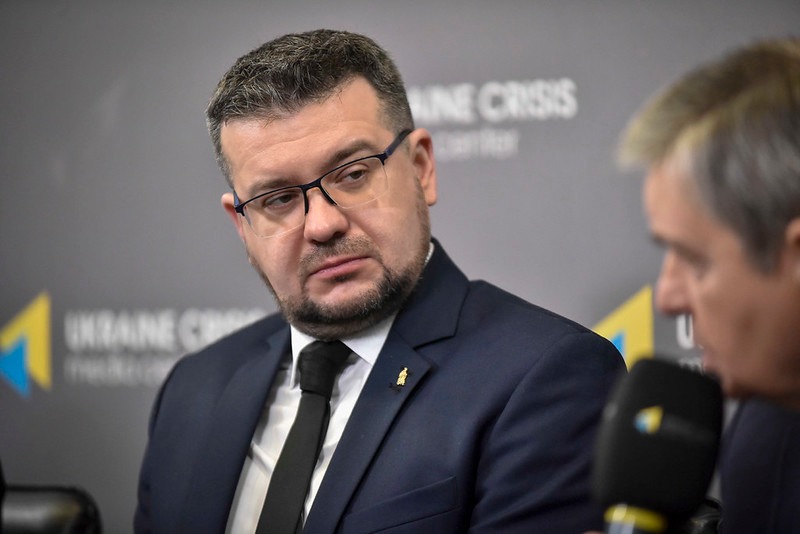
Oleh Turiy, director of the Institute of Church History at UCU, noted that Russian imperial policy toward the UGCC remained essentially unchanged over the centuries—destruction or liquidation—although the tactics used to achieve this goal changed.
“This Church was undesirable for three main reasons: it was Ukrainian, it was Catholic, which means it was connected to the wider world, and it was simply a Church — an institution that unites believers, rather than a state appendage that exercises surveillance and control over people,” he emphasized.
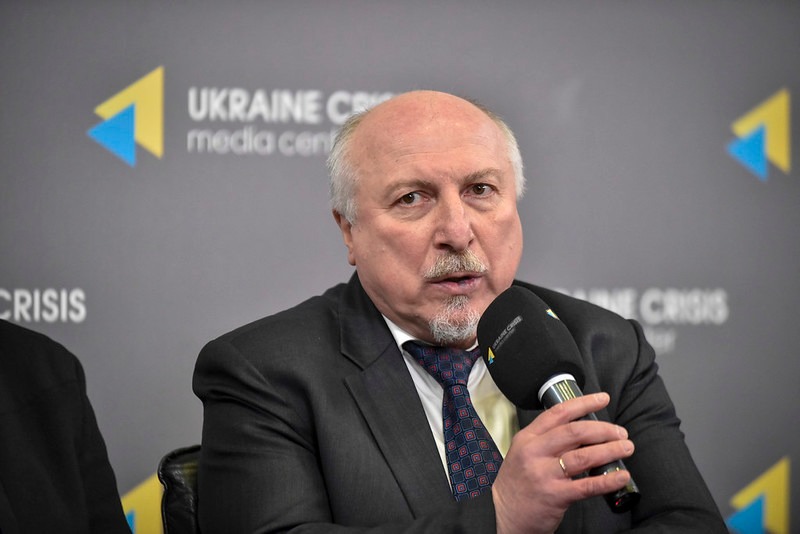
Andriy Kohut, director of the Sectoral State Archive of the Security Service of Ukraine, said that today researchers have access to a large repository of documents in the SBU (Security Service of Ukraine) archive that allow them to trace the stages of preparation for the Lviv pseudo-council and the mechanisms of its organization.
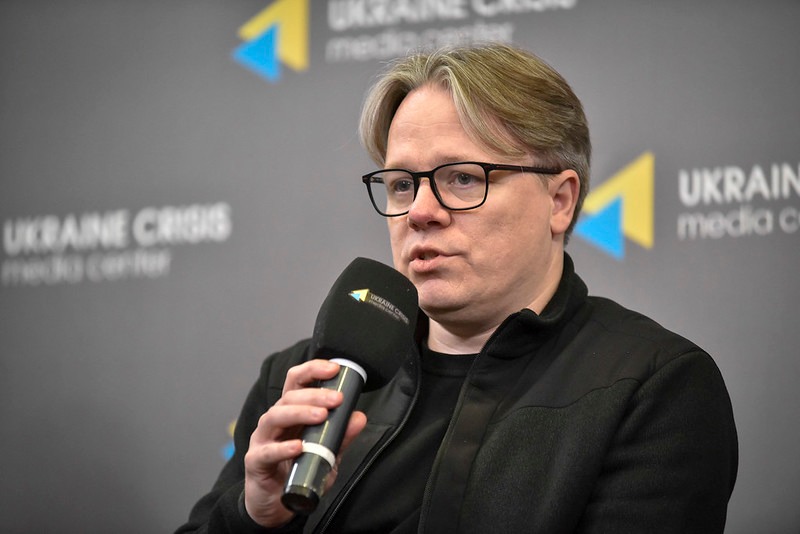
Father Oleksandr Bohomaz, a priest of the Ukrainian Greek Catholic Church and rector of the Church of the Nativity of the Most Holy Mother of God in Melitopol, Zaporizhzhia region, spoke about the current persecution of the Ukrainian Greek Catholic Church in the temporarily occupied territories. According to him, Russian occupiers view the Ukrainian Church as a worldview and nation-building threat.
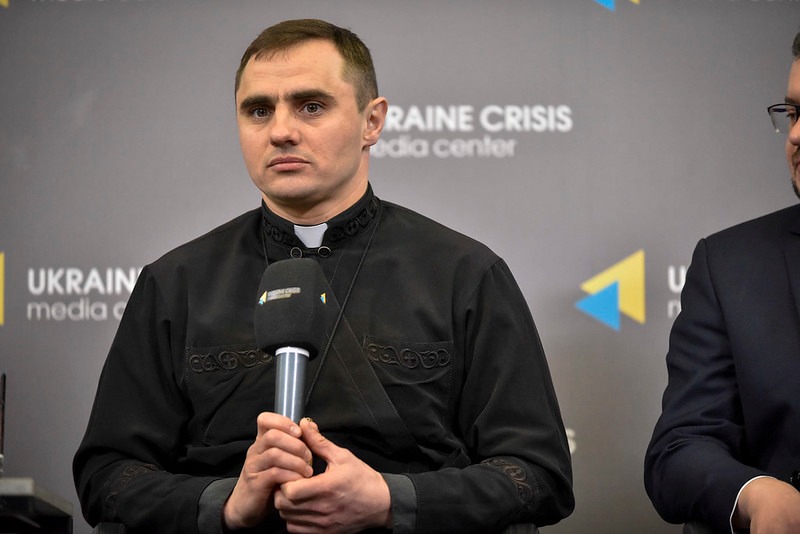
Taras Pshenychny, acting dean of the History Department at Taras Shevchenko National University of Kyiv, emphasized that there are no instances in history where state authorities have been capable of completely suppressing the Church.
“The Church is people, tradition, mentality, and worldview. It is extremely difficult to break this. Even the Soviet system, which knew history well, did not have enough power to break the Church,” he said.
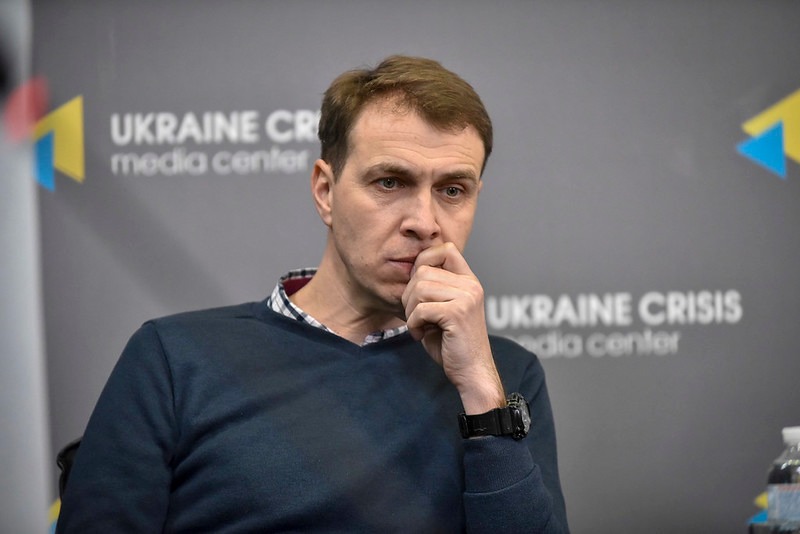
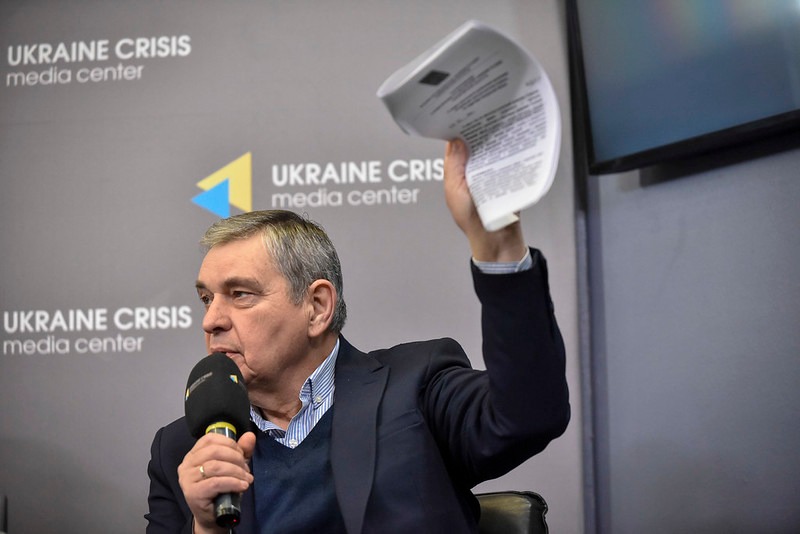
First Deputy Head of the State Service of Ukraine for Ethnic Policy and Freedom of Conscience Viktor Voynalovych presented a document currently being used by the occupying authorities in Melitopol to liquidate the Ukrainian Greek Catholic Church. According to him, this evidence shows that the imperial methods of Russian policy towards the Church have not changed.
The participants of the meeting emphasized that Russia is employing the same mechanisms of pressure on the Church that the USSR used during the current war against Ukraine.
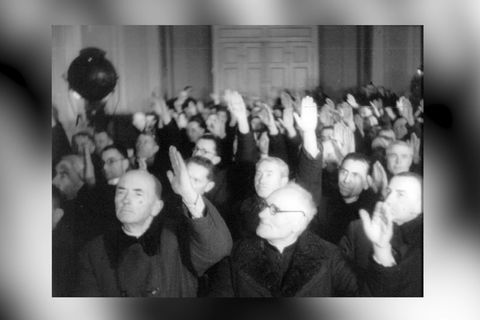
The Soviet authorities organized the Lviv pseudo-council in 1946 with the aim of eliminating the Ukrainian Greek Catholic Church and annexing it to the Russian Orthodox Church. The decisions of this assembly were made under the control of the Soviet secret services.
The UGCC Department for InformationPhoto courtesy of the Ukraine Crisis Media Center