The Head of the Ukrainian Greek Catholic Church Delivers Medical Aid to Military Hospital in Cherkasy
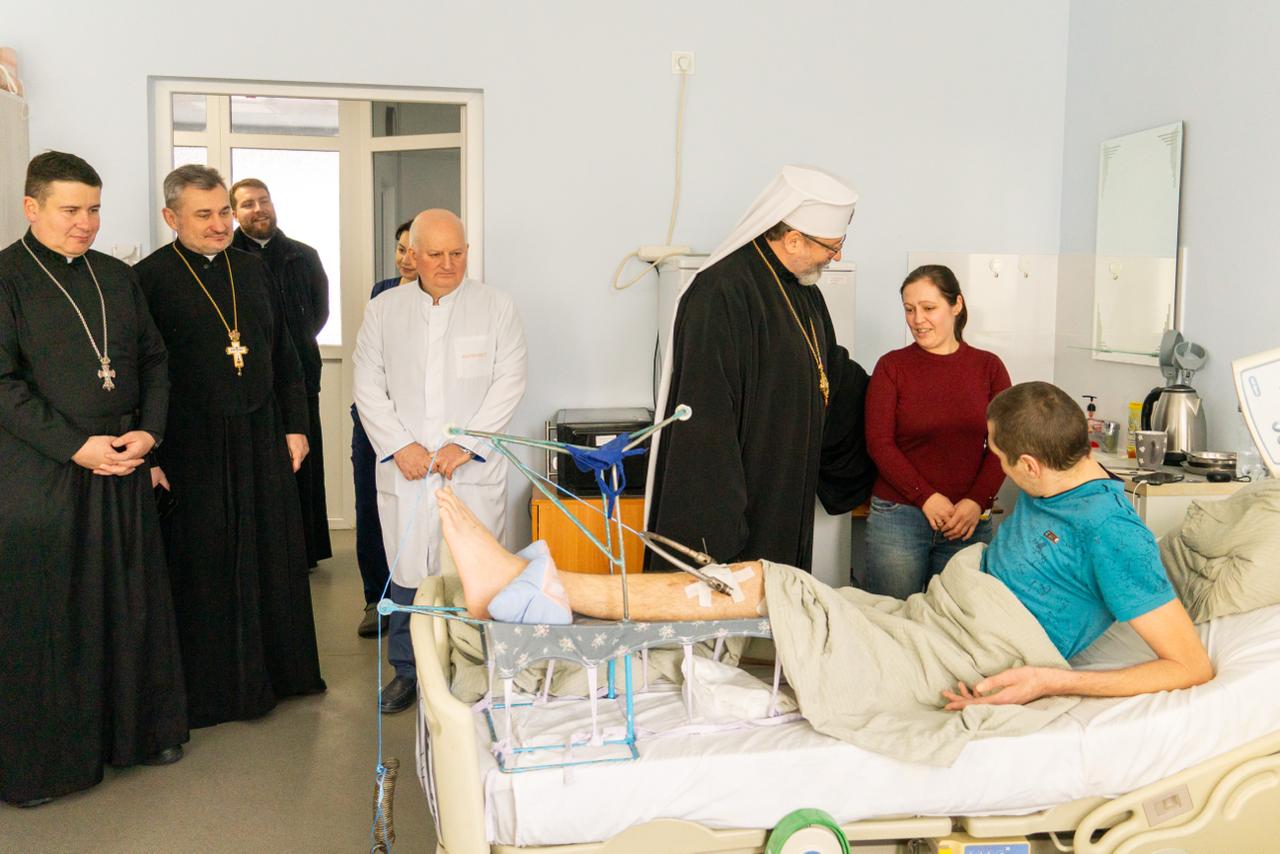
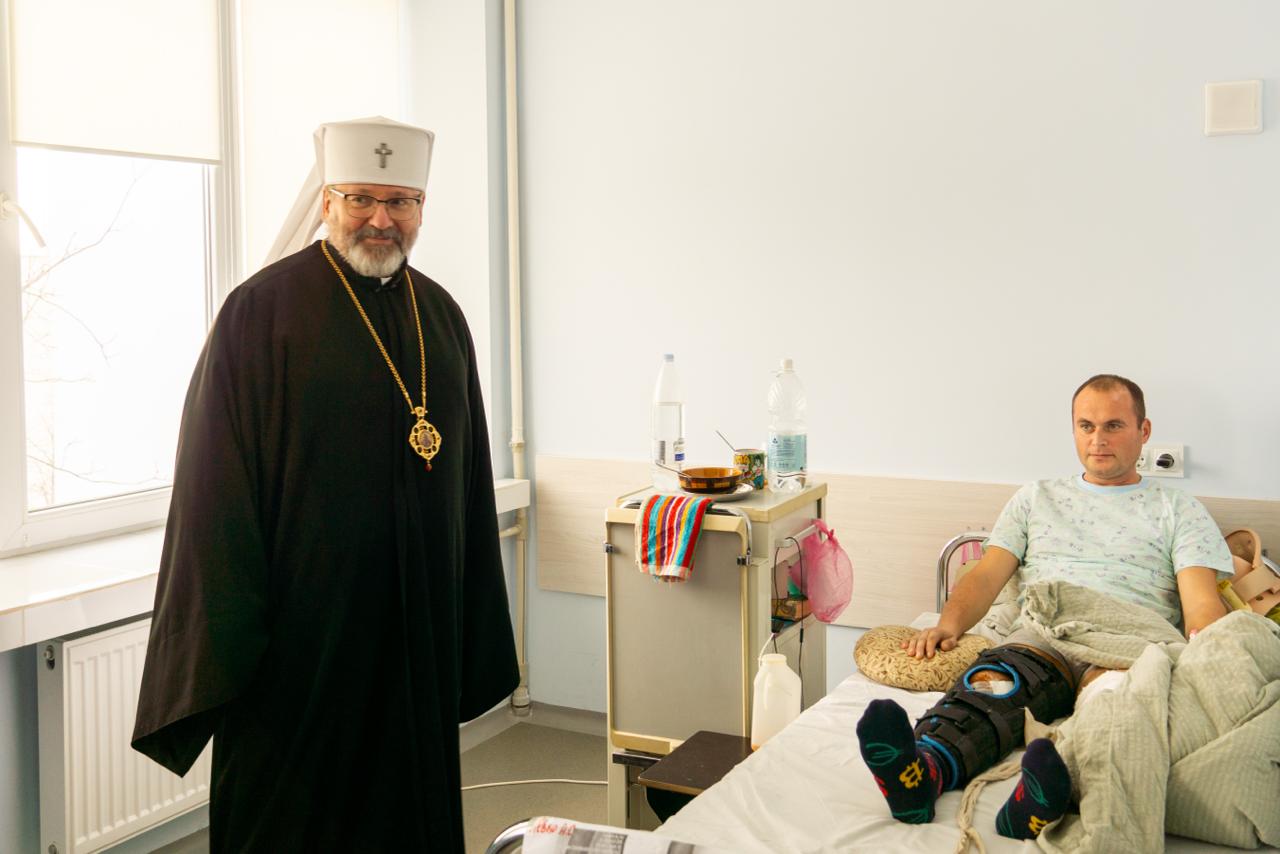
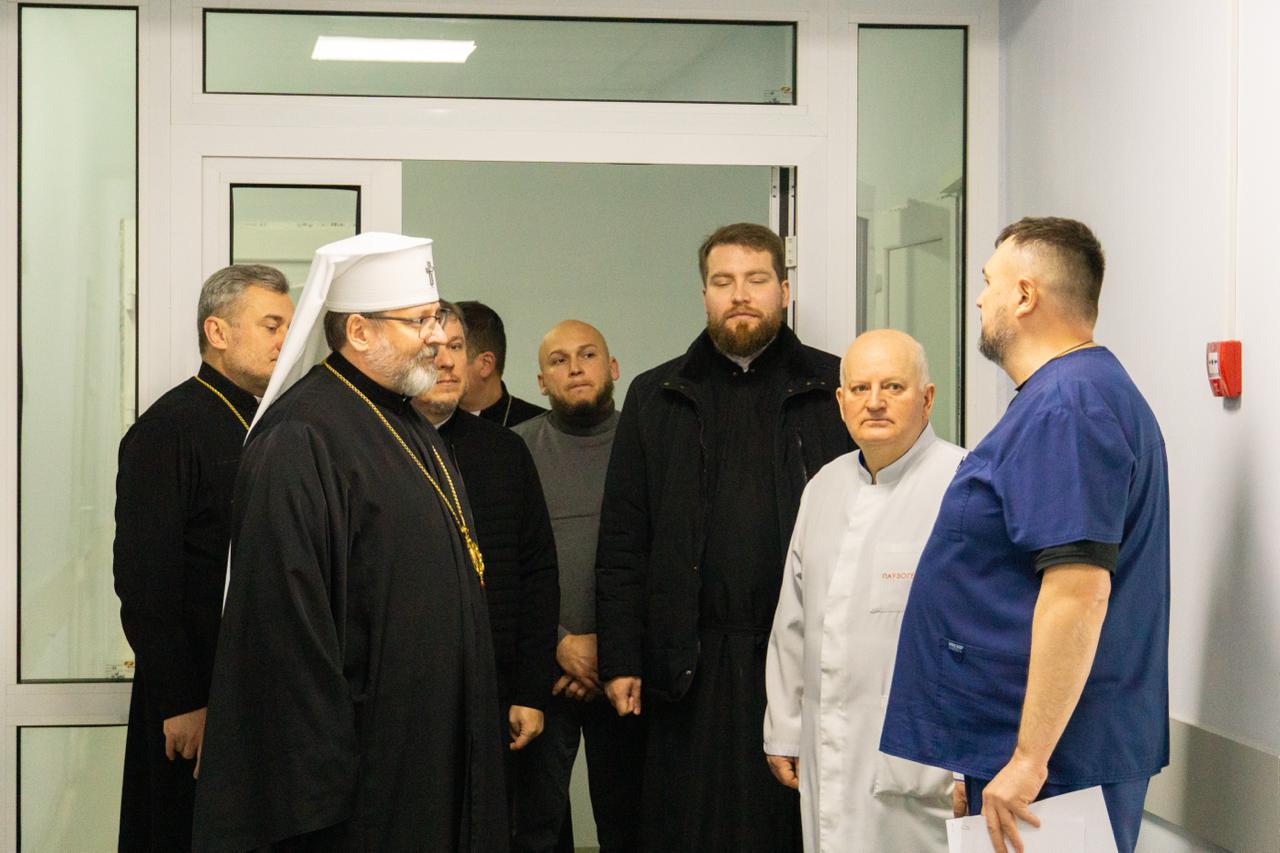
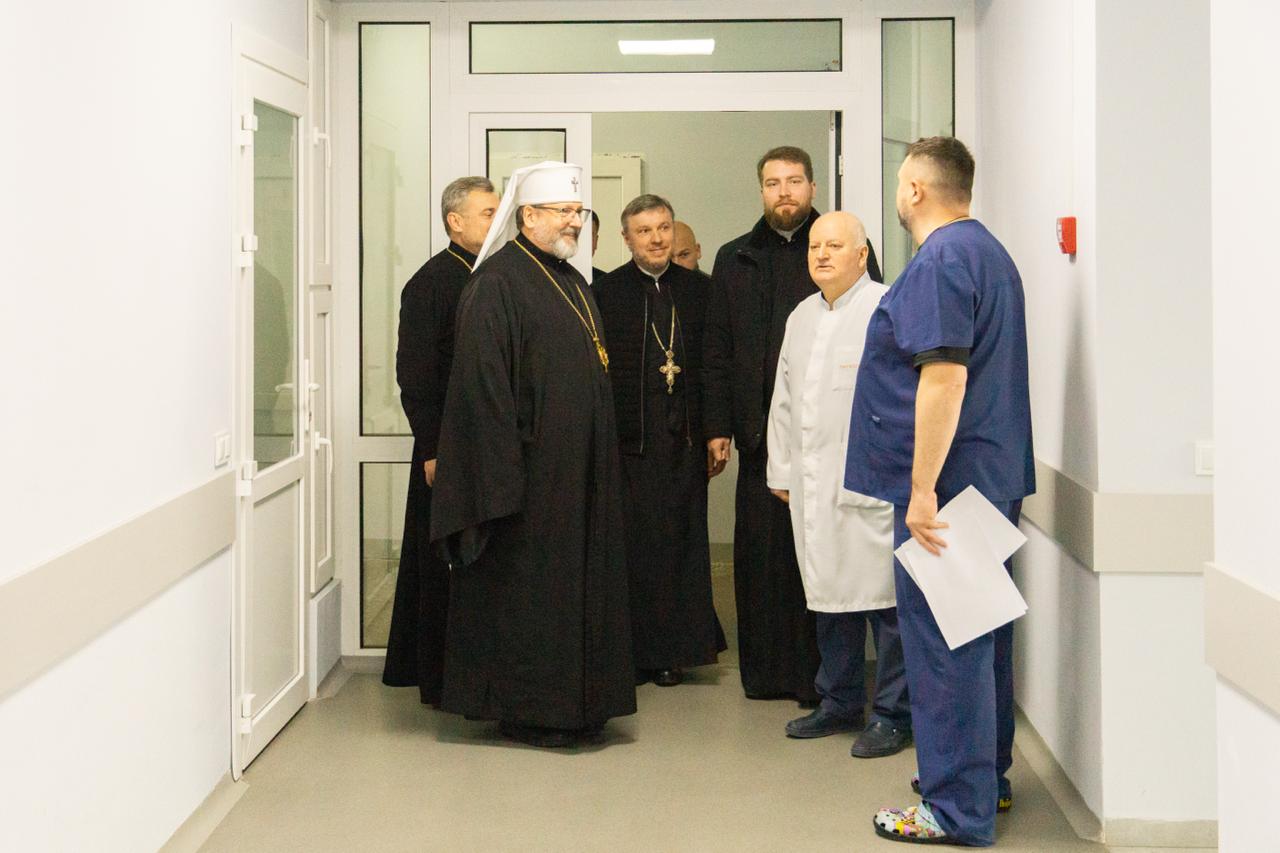
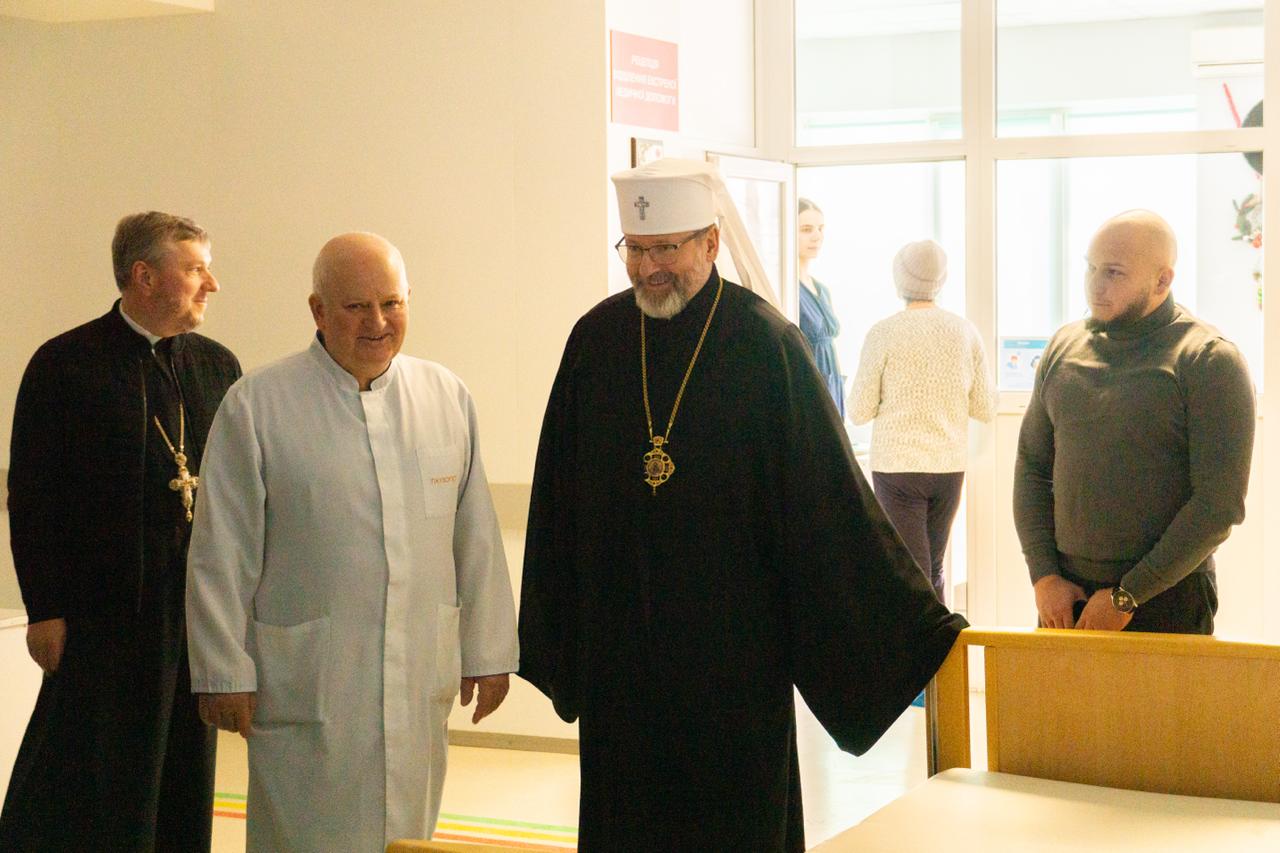
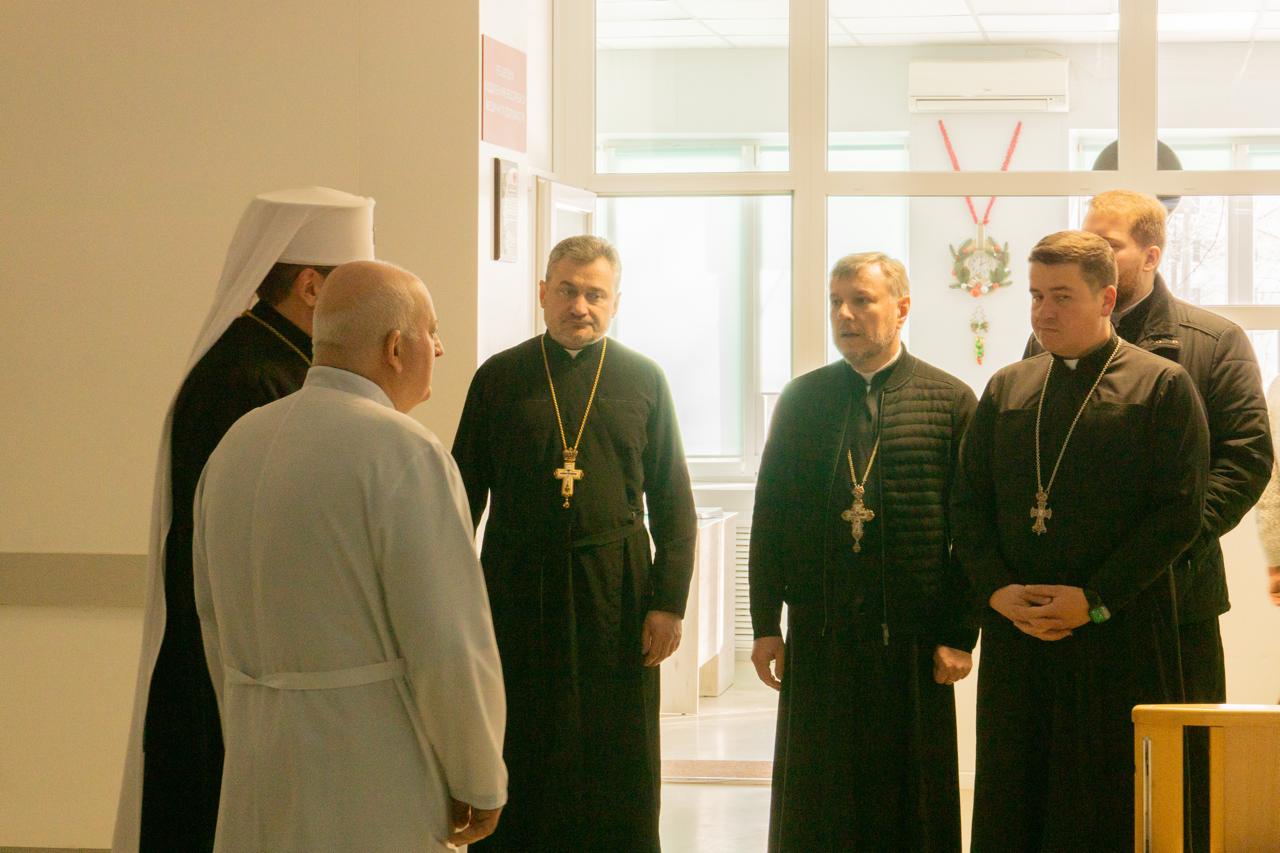
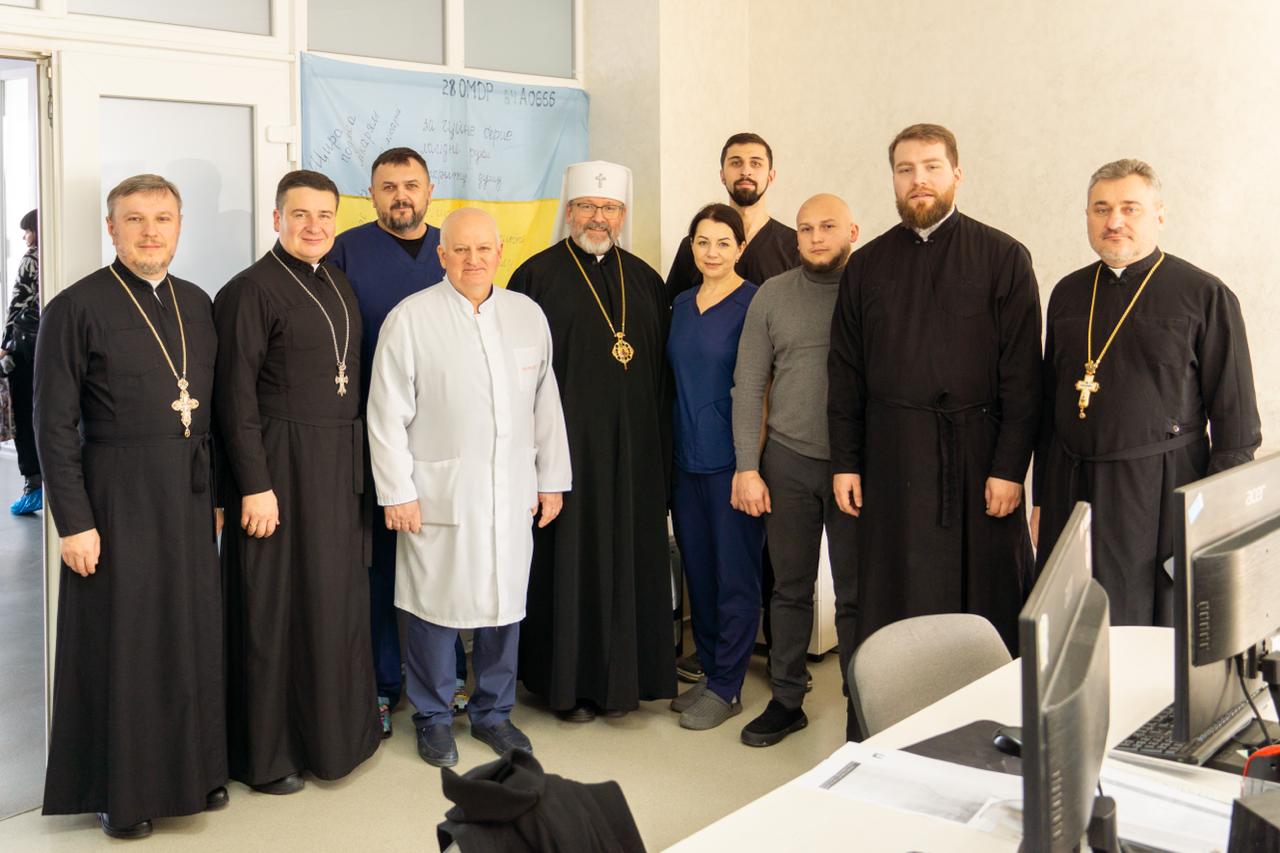
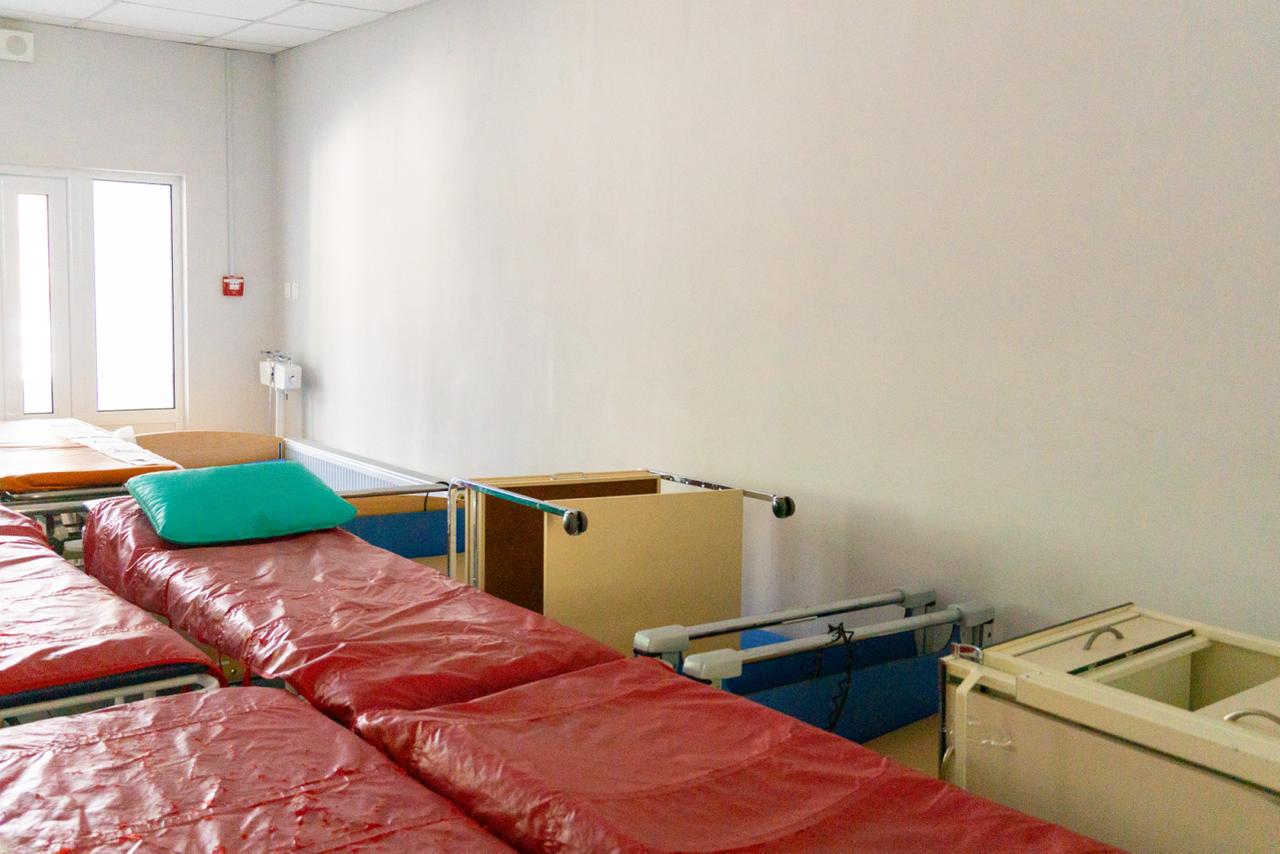
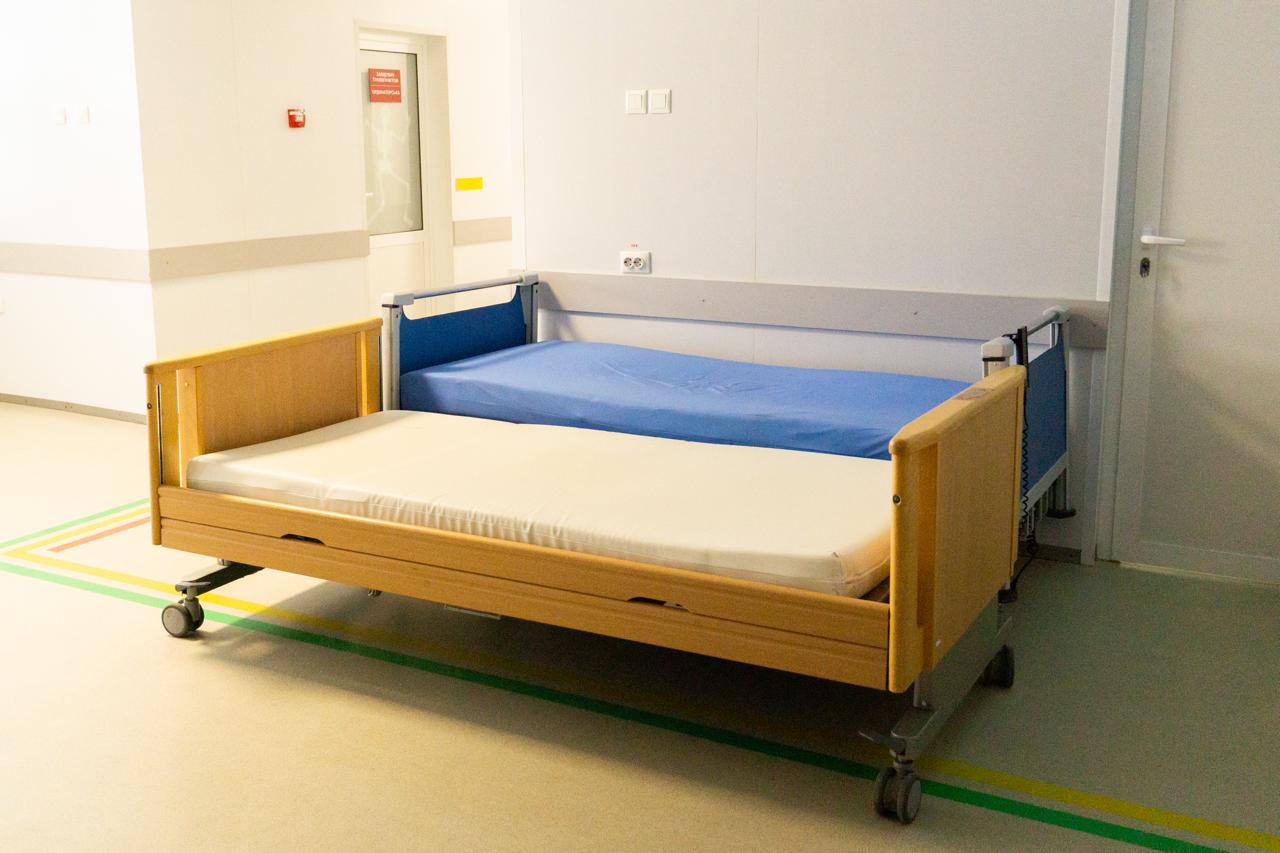
On January 10, His Beatitude Sviatoslav visited the Third Cherkasy City Emergency Medical Care Hospital, where he spoke with wounded soldiers and medical staff and learned about the work of the trauma department. During the visit, five functional beds for intensive care patients were donated.
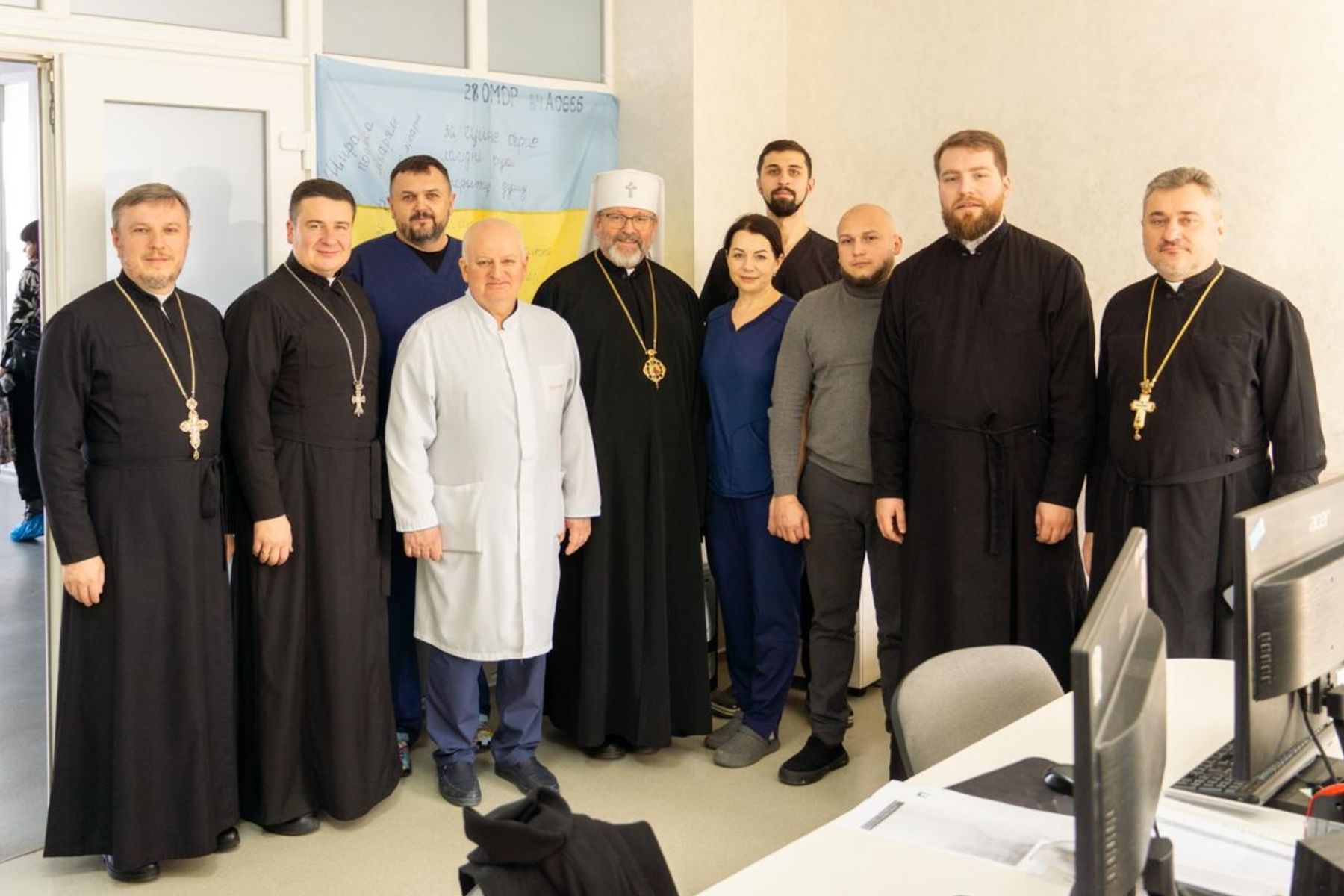
During the meeting, hospital director Oleksandr Fedoruk spoke about the medical facility’s capabilities and its comprehensive approach to the treatment and rehabilitation of wounded soldiers. According to him, the hospital employs an experienced team of specialists who have been trained both in Ukraine and abroad and are now adopting modern medical technologies.
“Today, we have an experienced team of doctors who have trained extensively, including abroad, which has enabled us to integrate modern technologies into our work. We perform joint replacements, including shoulder replacements, which are among the most complex in the human body. Not many hospitals in Ukraine perform such operations,” said Oleksandr Fedoruk.
He emphasized that in 2025, the hospital completed renovations, primarily in the departments where military personnel are treated, to ensure proper conditions and modern equipment. At the same time, the implementation of such projects is only possible in cooperation with the city authorities, as the treatment of combat injuries is extremely costly and requires expensive implants and high-tech equipment.
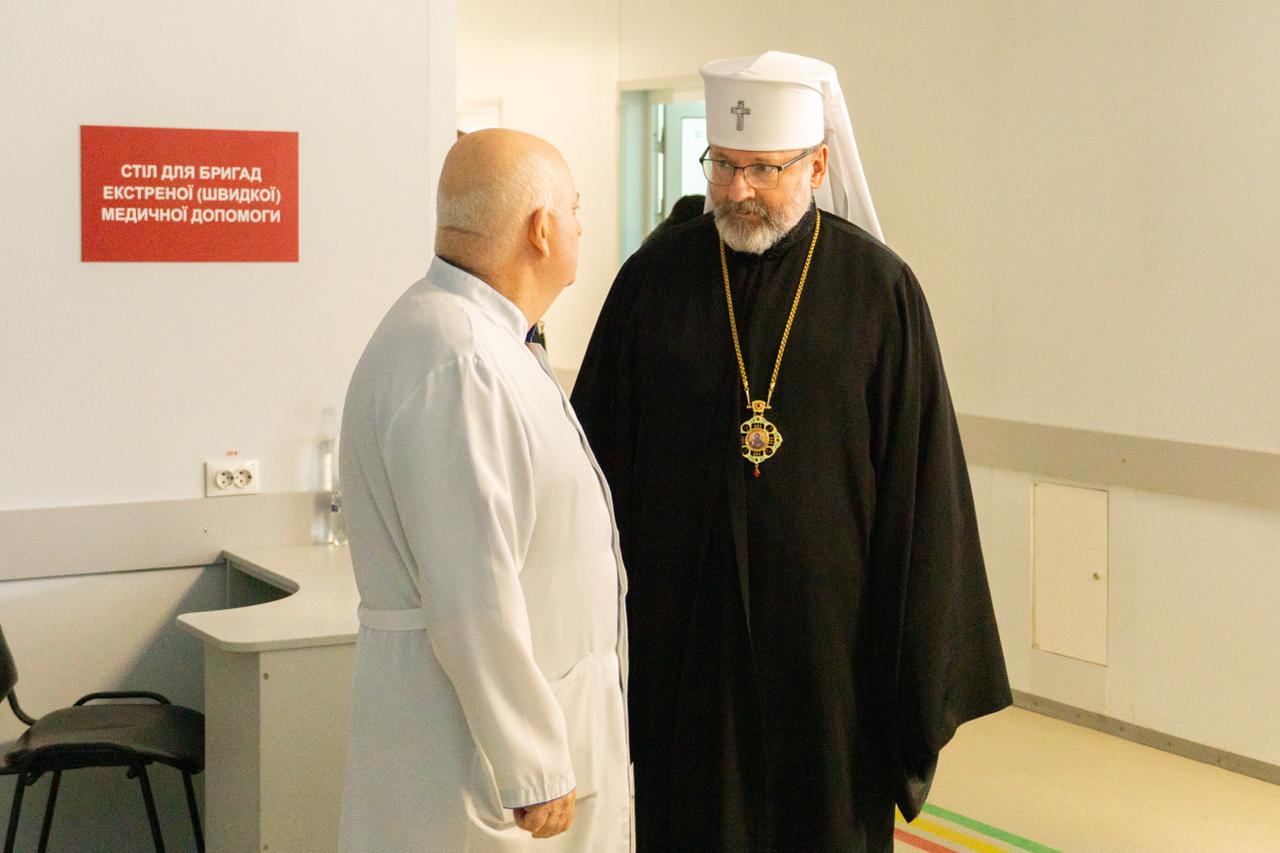
“We provide treatment to all wounded patients that we can transfer from other hospitals and ensure a full cycle of care: from the early postoperative period to rehabilitation and further decisions regarding their recovery,” explained Oleksandr Fedoruk.
According to him, the facility has an early rehabilitation system that begins on the first day of the patient’s stay, as well as an inpatient department for long-term rehabilitation. Special attention is paid to mental health: a center has recently been opened where psychologists and psychiatrists work, as well as a specialist in veteran support who helps patients resolve social, legal, and financial issues. Spiritual support for the military is provided by chaplains who regularly visit the hospital.
Addressing the medical staff, His Beatitude Sviatoslav expressed his gratitude for their daily work.
“I visit many different hospitals, but here you can really feel the high level of professionalism of the team,” emphasized the Primate.
He also drew attention to one of the biggest problems in treating combat wounds—the issue of infection and postoperative wound suppuration.
“Sometimes we help our soldiers go abroad for treatment, and observe that in Europe there is a strong fear of so-called trench infection. Our soldiers are isolated, undergo numerous tests, and do not undergo any procedures for weeks until the infection is overcome. And here we see that you have created the conditions they have abroad for them in Ukraine. Therefore, I thank you for such competent work. Continue to maintain this level,” said His Beatitude Sviatoslav.
The Head of the UGCC also shared his personal experience, recalling that after studying at a medical school, he served as a military paramedic, which gave him a good understanding of the specifics of the work of medical professionals and their self-sacrifice.
“Your experience in treating combat wounds is a unique treasury. My colleagues, with whom I once sat at the same desk, are now combat medics. They recall how, in the past, it took years for an international scientific journal to publish an article by a Ukrainian doctor. Now the whole world comes to us to learn from your experience. You have something to say not only to Ukraine, but to the whole world,” he emphasized, encouraging doctors to share their findings with the scientific community.
His Beatitude Sviatoslav then discussed the issue of medical chaplaincy and comprehensive care for soldiers—physical, spiritual, and mental.
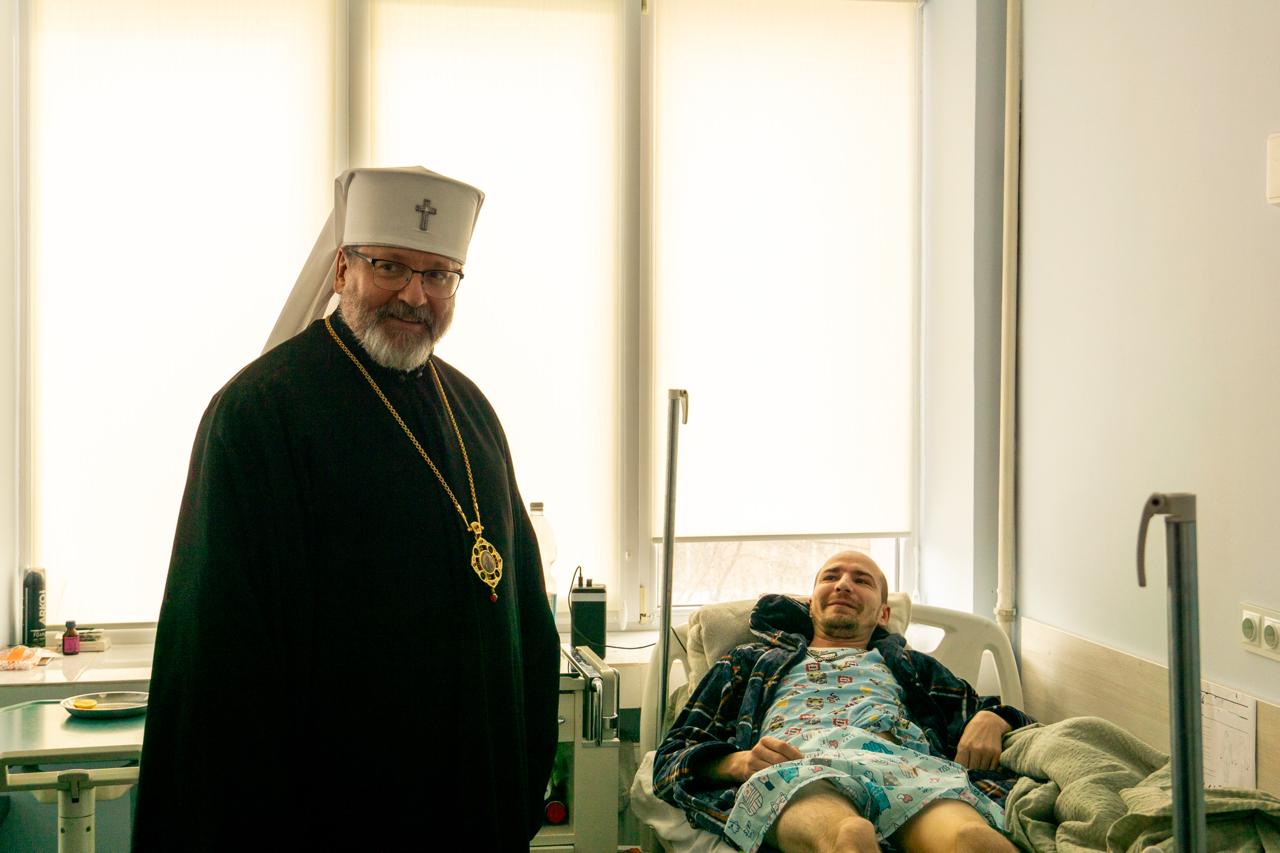
“During this visit, we had the opportunity to visit defenders from different areas. Their injuries were of varying degrees of severity. It was important for us to meet with them, talk to each of them, convey Christmas and New Year’s greetings, and wish them a speedy recovery,” shared the Head of the UGCC.
At the end of the visit, five functional hospital beds were donated to the medical staff as a sign of support and the beginning of further cooperation.
The UGCC Department for Information
Photo credit: Iryna Yamborska