Bishops of the Ukrainian Greek Catholic Church Discuss the Implementation of the Synodal Path in the Life of the Church
On July 3, during working sessions of the Synod of Bishops of the Ukrainian Greek Catholic Church, which is taking place July 1–10 at the Marian Spiritual Center “Zarvanytsia,” Bishop Teodor Martynyuk presented the next stage of the Synodal Path of the Catholic Church and its implementation in the current context of the UGCC.
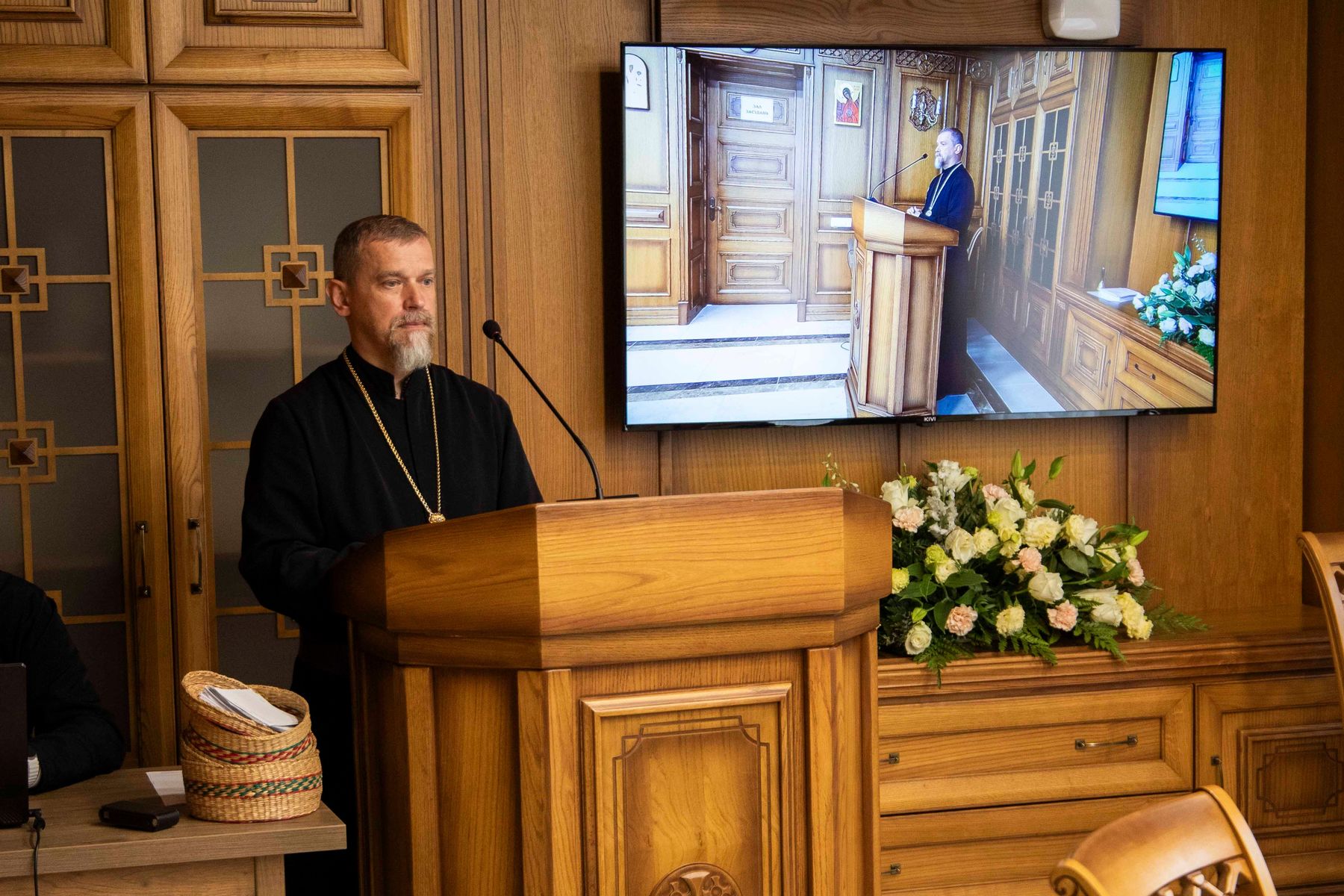
This was reported by the Press Office of the Secretariat of the Synod of Bishops of the Ukrainian Greek Catholic Church.
Guidelines for the Implementation Phase of the 2025–2028 Synod
Bishop Teodor’s report was based on the new Guidelines for the Implementation Phase of the 2025–2028 Synod, prepared by the General Secretariat of the Synod and approved by His Holiness Pope Leo XIV. The document outlines the next stage of the Church-wide synodal process. It aims to assist local Churches in practically putting into action the conclusions of the XVI General Assembly of the Synod of Bishops, For a Synodal Church: Communion, Participation, Mission.
Metropolitan Teodor emphasized that the document affirms that the synodal path is not a temporary initiative or a stand-alone project, but a way of life for the Church that helps her carry out her mission more effectively in the modern world. The goals of the synodal process are to foster deeper mutual listening, ecclesial discernment, more active participation of all the baptized in the life of the Church, and the renewal of pastoral practices in response to today’s challenges.
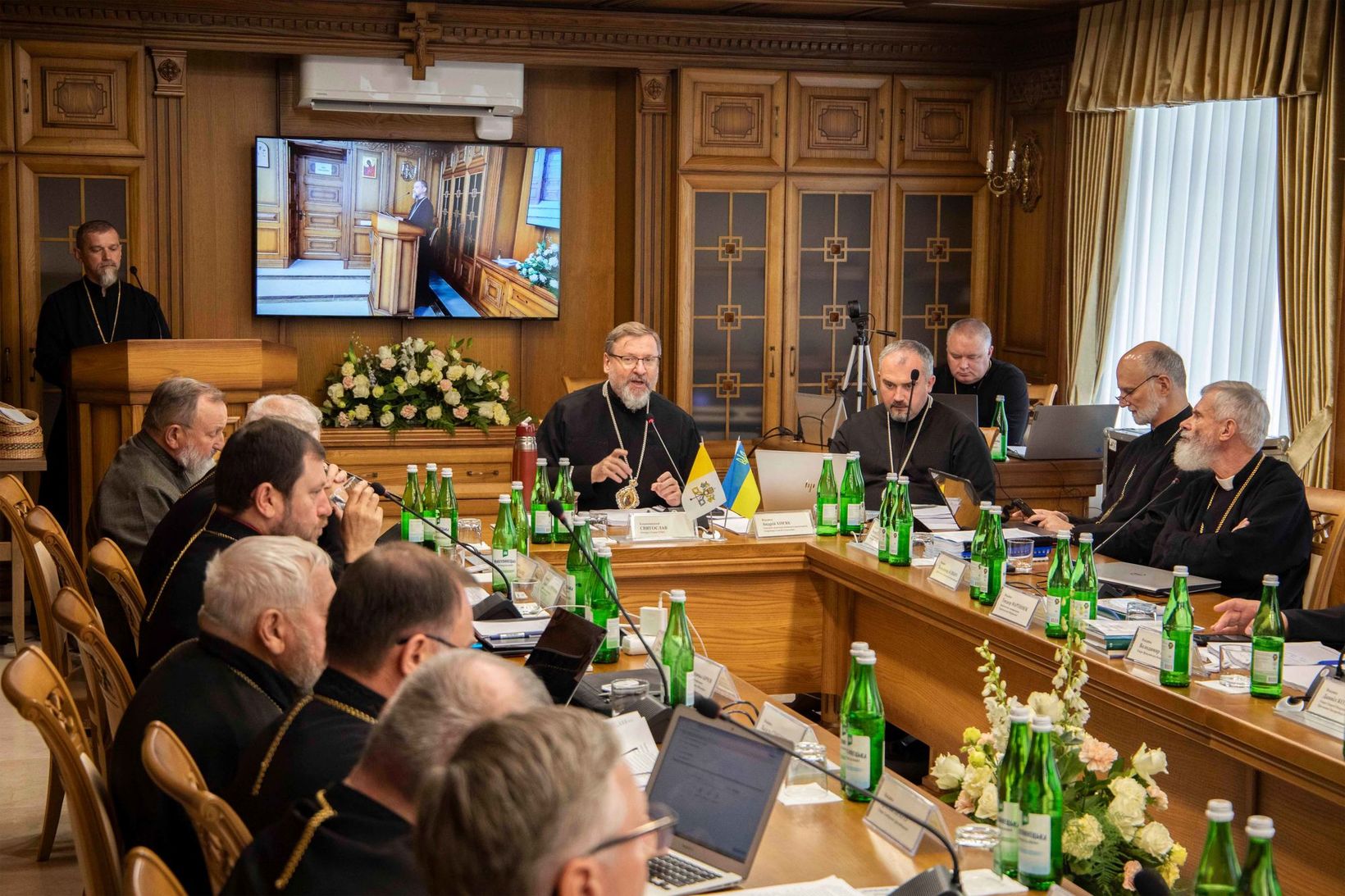
The speaker drew particular attention to the local Churches’ responsibility for implementing synodal decisions, particularly that of the Ukrainian Greek Catholic Church. According to him, the General Secretariat, in unity with Pope Leo XIV, emphasizes the bishop’s leading role as the one called to facilitate the process of synodal conversion. This can only be achieved by involving the clergy, consecrated persons, the laity, advisory bodies, and synodal teams. At the same time, it is important to note that synodality requires not only the renewal of structures but, above all, a change in the culture of church life, based on listening to the Holy Spirit, mutual trust, and shared responsibility.
The report also outlined the stages of the synodal process until 2028. During 2025–2026, local Churches will carry out the practical implementation of synodal decisions; in 2027, eparchial and national review assemblies will take place; and in 2028, continental assemblies will be held, followed by a Church Assembly in the Vatican in October, which will mark the final stage of this Church-wide process.
“Presenting this topic has been an essential part of the work of the Synod of Bishops of the UGCC. We have sought to reflect on how our Ukrainian Greek Catholic Church is called to participate in this Church-wide synodal journey. After all, it is a matter of combining the universal vision for the Church’s development with our own pastoral experience and the challenges we face in today’s world, particularly the war,” Metropolitan Teodor emphasized in his comments.
Plan for Implementing the Synod’s Outcomes
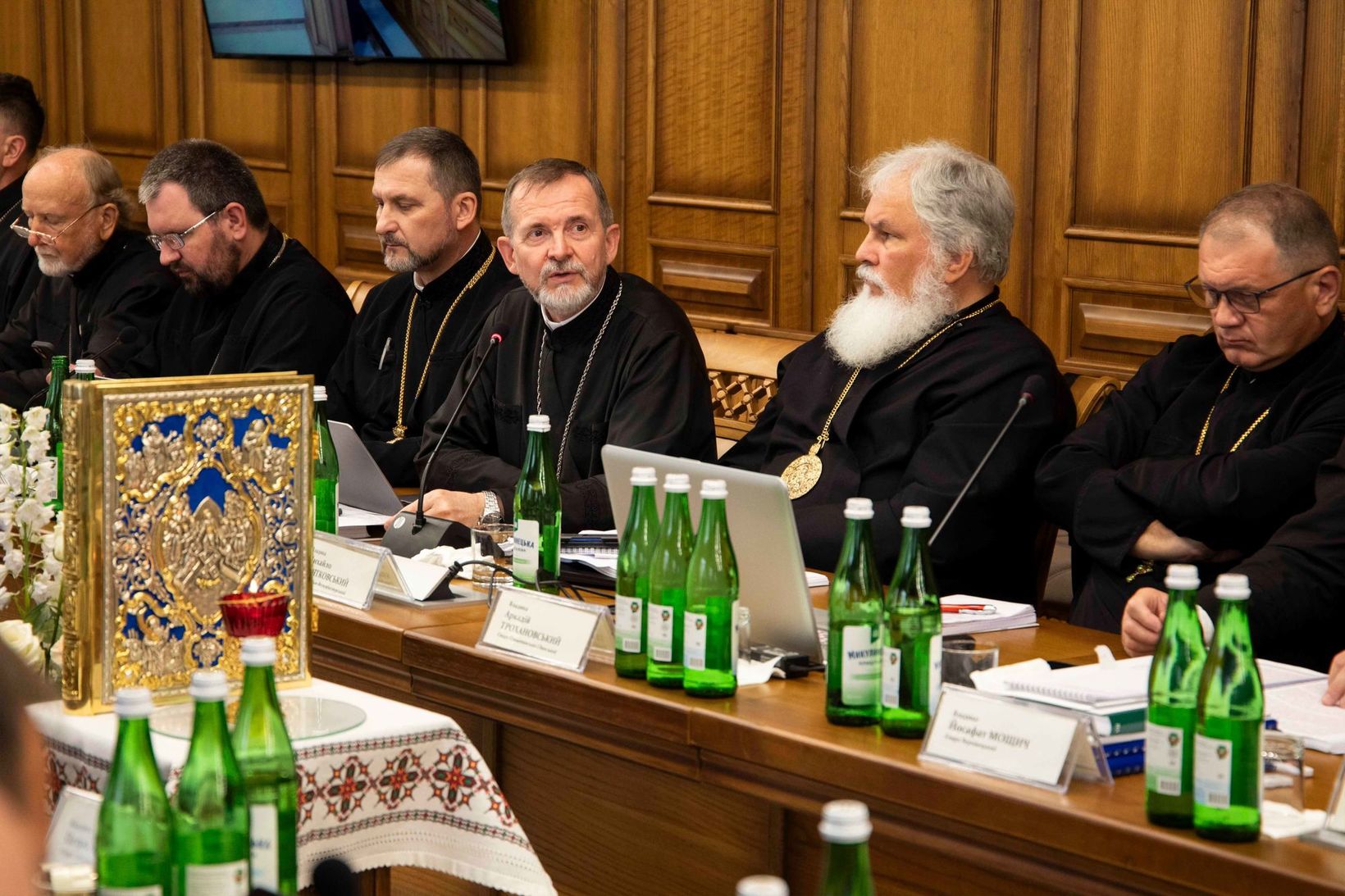
In addition, Metropolitan Teodor presented the document Plan for Implementing the Synod’s Outcomes: On the Path to the 2027–2028 Assemblies, which specifies practical steps for implementing the synodal process in the life of the local Churches. The document outlines the stages of preparation for the 2027–2028 Assemblies, the criteria for holding them, and tools designed to help the Churches reflect on the path they have taken, discern the fruits of the synodal process, and share them with the entire Universal Church.
According to the presented plan, evaluation assemblies dedicated to reflecting on the experience of implementing synodality are to take place in the eparchies during the first half of 2027. The second half of 2027 will be devoted to national and regional assemblies, during which local Churches will jointly interpret the experience gained. Continental assemblies are scheduled for the first quarter of 2028 to develop common guidelines for the development of a synodal, missionary Church, and the final stage will be the Church Assembly at the Vatican in October 2028.
“A distinctive feature of the proposed plan is that it views future assemblies not as a formal review of achievements, but as a spiritual process of ecclesial discernment. Their main task will not be evaluation solely for reporting purposes, but rather discerning the work of the Holy Spirit in the lives of church communities, sharing experiences among local Churches, and seeking new ways to carry out the Church’s mission more effectively in the modern world,” concluded Metropolitan Teodor.
The Synodal Path is a Church-wide process of spiritual renewal within the Catholic Church, launched by Pope Francis in 2021 and themed For a Synodal Church: Communion, Participation, Mission. Its goal is to help the Church gain a deeper understanding of its nature as a community that listens together to the Holy Spirit, discerns God’s will, and jointly carries out the mission of proclaiming the Gospel.
The synodal process consisted of three main stages: eparchial consultations in local Churches (2021–2022), the continental phase (2022–2023), and two sessions of the XVI General Assembly of the Synod of Bishops in the Vatican (2023, 2024). The culmination of this work was the Final Document, approved by Pope Francis on October 26, 2024.
The UGCC Department for Information