Prof. Larysa Didkovska Lectures on Psychological Trauma and Resilience in Times of War at La Salle University
On September, 15, Prof. Larysa Didkovska, Rector of the Ukrainian Free University in Munich and Professor of Psychology at Ivan Franko National University of Lviv, delivered a lecture at La Salle University in Philadelphia titled “Psychological Trauma in Times of War: Dynamics, Coping Mechanisms, and Identity Resilience.”
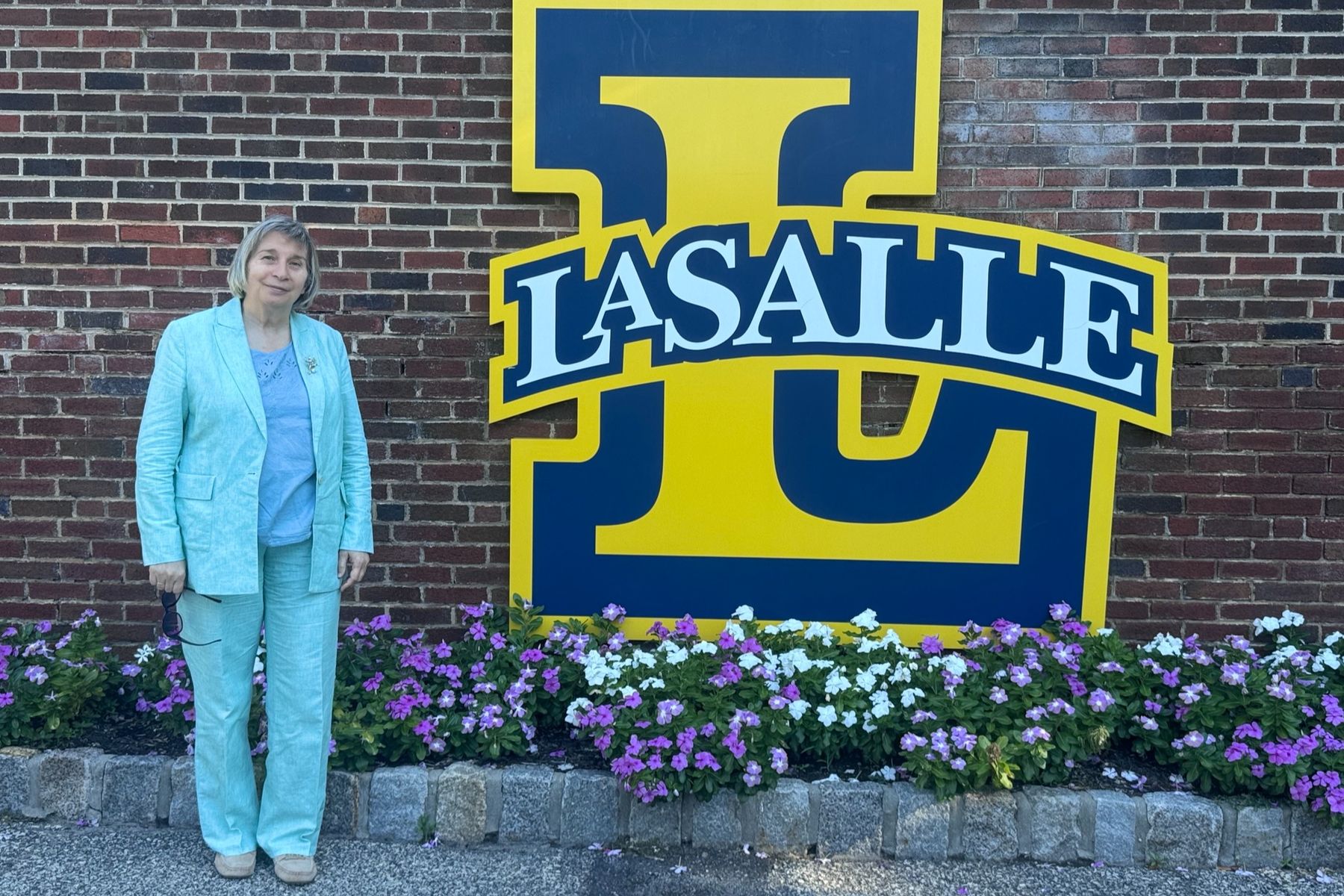
Prof. Didkovska is visiting the United States at the invitation of the St. Sophia Religious Association of Ukrainian Catholics, Inc.
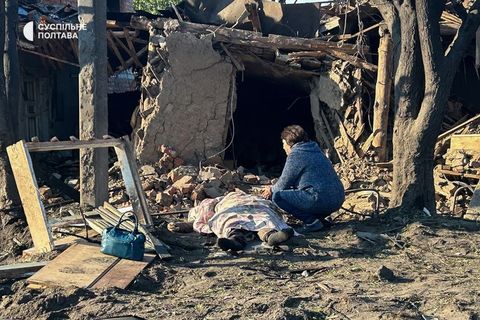
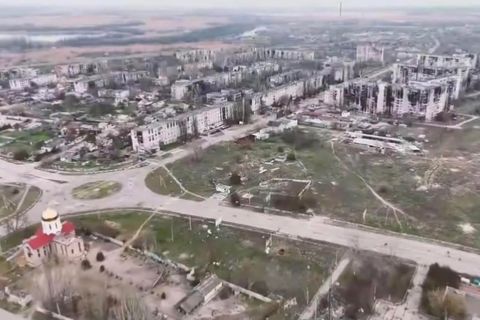
Her lecture examined the profound psychological effects of war in general and in Ukraine specifically on individuals and communities, including acute and chronic trauma, emotional exhaustion, coping mechanisms, identity, and post-traumatic growth.
Prof. Didkovska distinguished between acute survival stress, which activates immediate protective responses such as hypervigilance and focused action, and chronic war stress, which results from prolonged exposure to danger and uncertainty. Chronic stress can lead to nervous-system exhaustion, emotional burnout, moral injury, and loss of confidence in the future, requiring both individual psychological care and broader community support.
A central theme of the lecture was what Prof. Didkovska described as a triad of resilience: agency and action, moral identity, and social solidarity. Reclaiming small daily decisions can counter feelings of helplessness, while shared values and strong community connections help preserve psychological integrity during prolonged crisis.
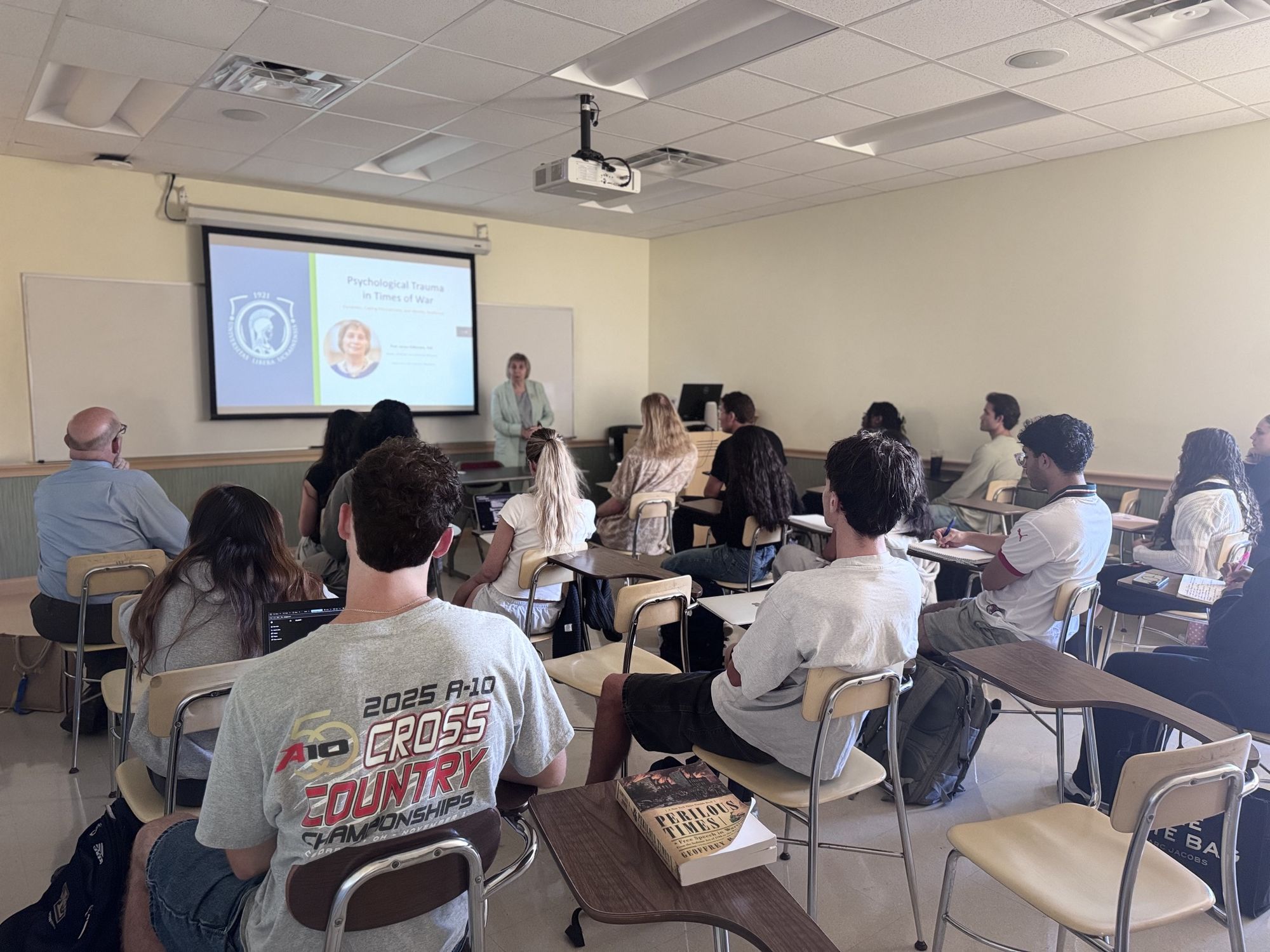
She also addressed the importance of the “right to joy,” emphasizing that moments of happiness, rest, and normalcy during wartime are not a betrayal of those who are suffering, but necessary forms of psychological recovery. Continuous mobilization without rest, she noted, can lead to exhaustion and reduced capacity to help others.
Prof. Didkovska described three stages of trauma adaptation: mobilization, marked by shock and survival-focused responses; protracted stress, characterized by emotional fatigue, grief and moral strain; and integration, in which individuals begin to rebuild identity, meaning and a long-term vision for the future.
The lecture also emphasized the need for broad community-based mental health initiatives, as psychological distress affects a significant proportion of people living in active conflict zones.
“Psychological resilience during war is not the absence of pain, but the capacity to preserve human dignity, authentic connection, and hope amidst darkness,” Prof. Didkovska said.
Her presentation highlighted the importance of moving from stabilization and decompression toward integration and renewal, strengthening individuals and communities through empathy, solidarity, meaningful action, and hope.
St.Sophia Press Bureau