"This Is Not a War. It Is Terrorism": George Weigel Reflects on His Correspondence with His Beatitude Sviatoslav
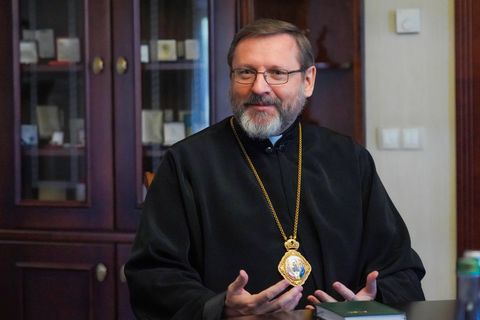
American columnist and public intellectual George Weigel, in his column “Ukraine and the Limits of Dialogue”, published in First Things, says that for the past several months he has been receiving morning messages from His Beatitude Sviatoslav, the Father and Head of the Ukrainian Greek Catholic Church, following yet another series of Russian nighttime attacks on Kyiv.
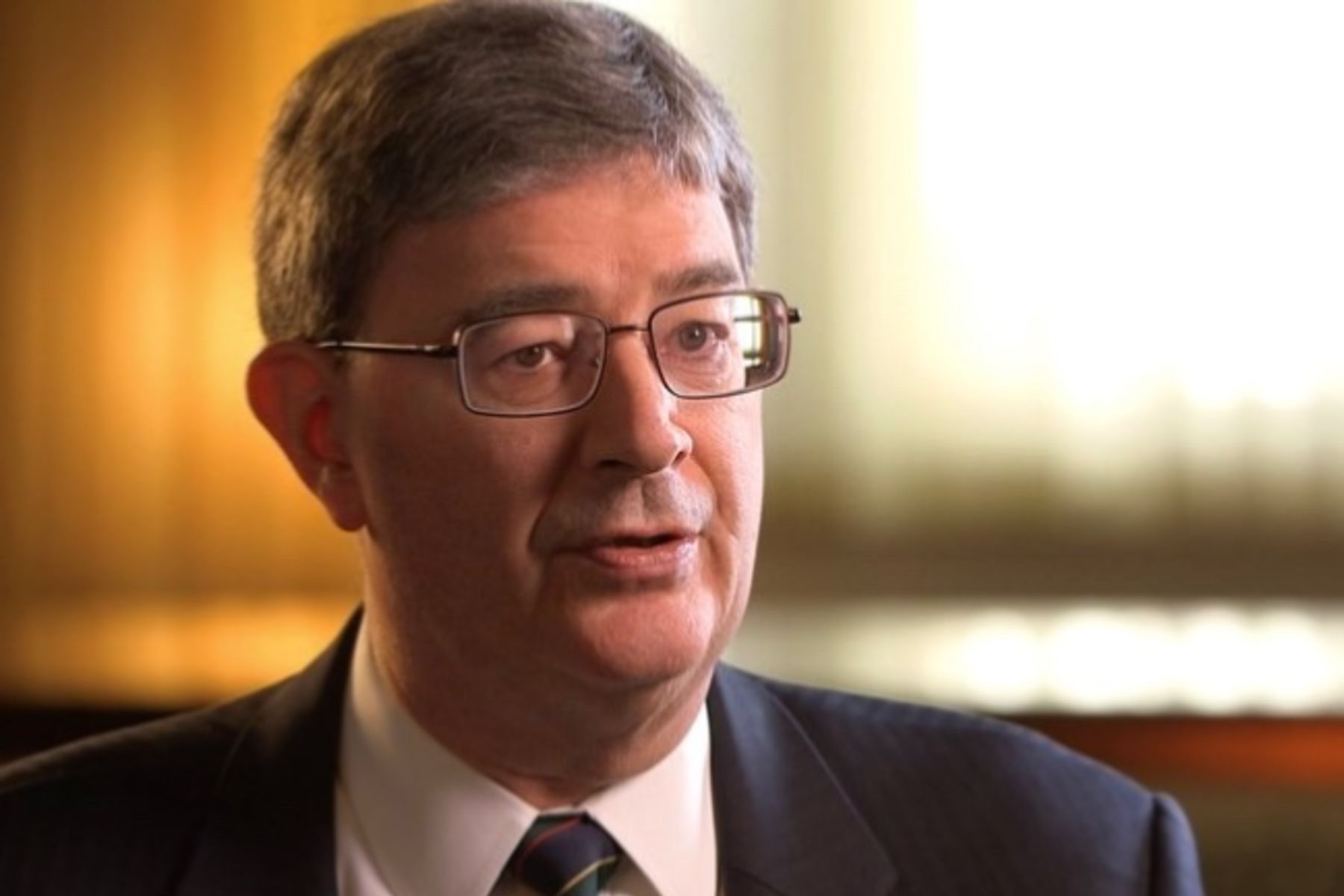
George Weigel noted that such messages usually come after nights that His Beatitude Sviatoslav spends in a bomb shelter. He says, this has happened many times over the past four and a half years.
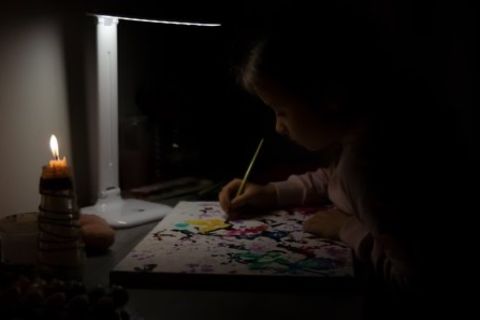
“He also includes a digital map showing where Russian missiles and drones lit up the nocturnal sky as they struck the Ukrainian capital. There are no military targets on this map.
Russian strikes are deliberately aimed at civilian sites. And although Ukrainian air defense forces manage to shoot down some of the missiles and drones, others still reach their targets. Innocent people are killed, families lose their homes because of this deliberate campaign to inflict civilian casualties,” writes George Weigel.
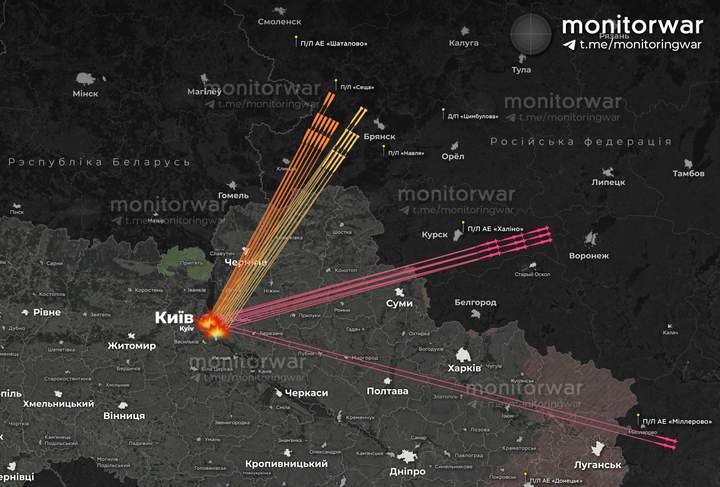
Movement of aerial targets during the attack on Kyiv on July 19, 2026
The author also points out that on June 15, the Kyiv-Pechersk Lavra, a historic Orthodox monastery in Pechersk, sustained significant damage as a result of a Russian drone attack. “So much for the ‘defender of Christian civilization’—Tsar Putin,” he emphasizes. That is precisely why, according to Mr. Weigel, this is not a war but terrorism, the goal of which is to destroy national morale. In his view, this is not working—just as the Nazi aerial campaign against Great Britain in 1940 failed to achieve its goal.
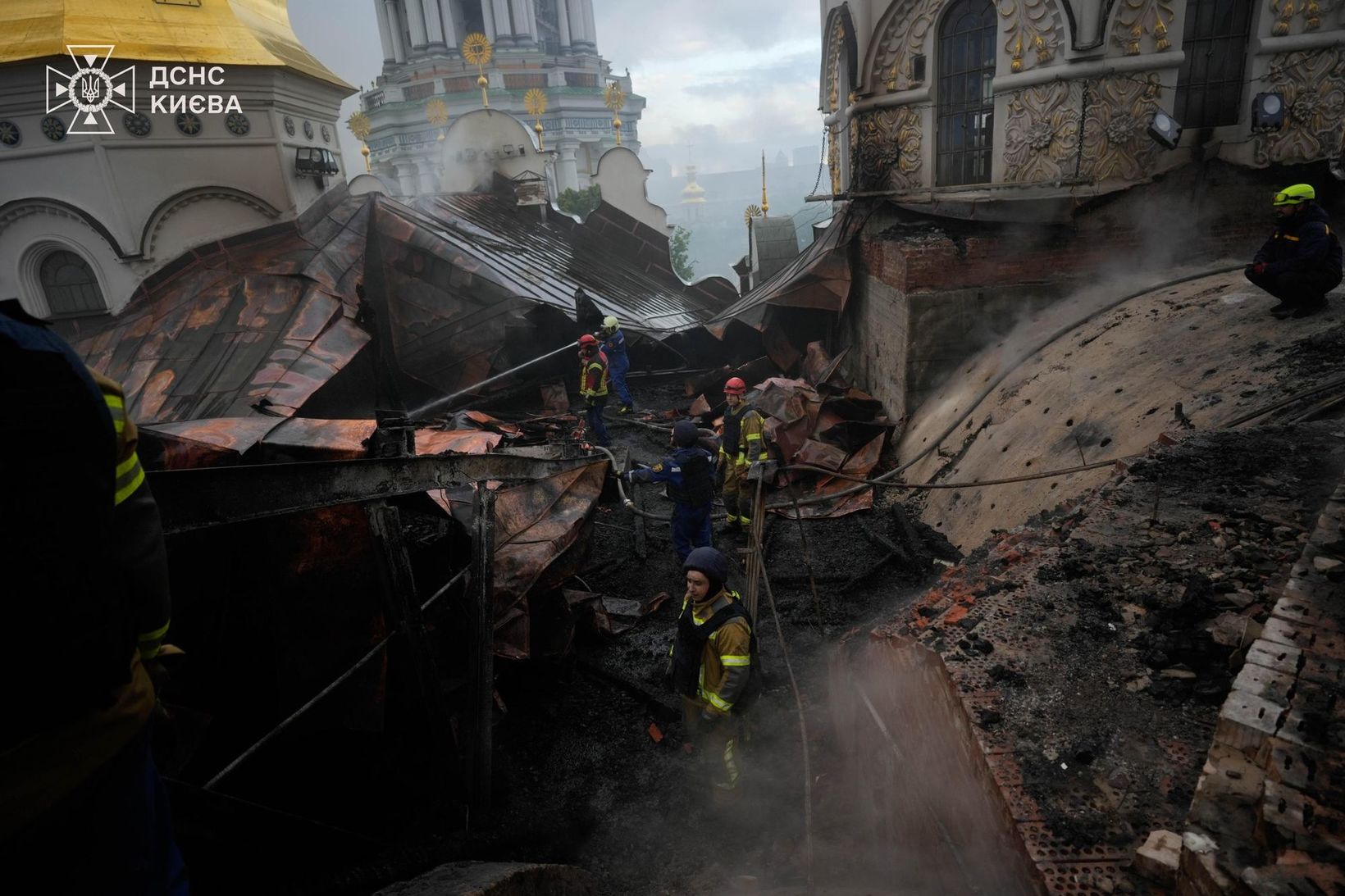
Firefighters extinguish a fire caused by a Russian strike on the Kyiv-Pechersk Lavra
"Were Quentin Reynolds—a twenty-first-century journalist—reporting from Ukraine today, his signature phrase would be: “Kyiv can take it,” just as “London can take it” summarized British grit and resolve in the face of the Luftwaffe.
But Kyiv, in his view, should not have to endure this. “These terrorist attacks are happening solely because ‘Tsar Putin’ is losing the ground war he unleashed on February 24, 2022—a war which continues despite the catastrophic Russian casualties caused by the Russian command’s utter disregard for the lives of its poorly trained soldiers.”
Mr. Weigel then draws on historical parallels. He points out that during World War II, Japanese militarists justified their willingness to fight to the death by appealing to the Bushido code, which regarded capitulation as a dishonor. However, according to the author, Russian barbarism is even more terrifying, as it is being justified in the name of the Christian faith.
The columnist recalls the homily delivered by Patriarch Kirill of the Russian Orthodox Church on March 6, 2022, at Moscow’s Cathedral of Christ the Savior, in which he portrayed Russia’s invasion as a “holy war” between Christian Russia and the “satanic West,” which Ukraine aspired to join.
“If this lie was not blasphemy, then it was at least blasphemy-adjacent. This sacrilegious campaign to justify the unjustifiable continues to this day. It was condemned by Ecumenical Patriarch Bartholomew of Constantinople, who is ‘first among equals’ in the leadership of the Orthodox Churches.”
All of this, according to the author, poses the urgent question of the limits of dialogue in certain historical circumstances.
George Weigel mentions the stance of Winston Churchill, who, despite his willingness to use armed force to defend Great Britain, believed that, in general, “meeting jaw-to-jaw is better than war.” The author notes that this statement was later rephrased by Harold Macmillan as: “Jaw-jaw is better than war-war.” Mr. Weigel also points out that religious leaders, particularly Pope Leo, do not overstep the scope of their mission when they remind us that war is always a defeat for humanity. However, the author believes that war is not the only thing that deserves condemnation.
George Weigel emphasizes that surrender to tyranny is no less evil than war, silent acquiescence to the attempt at genocide against the Ukrainian people, and the failure to provide all possible assistance to those who, every day, risking their own lives, resist the aggressor, who “deliberately targets non-combatants in an effort to break the country’s will to resist.”
Ultimately, the author asserts that the proportionate and discriminate use of force can create the conditions for a real dialogue based on security, freedom, and justice. In his view, genuine negotiations are possible only when the aggressor—or those who keep him in power—realize the vanity of their conquest and the high cost of prolonging the war.
Thus, though at a price undoubtedly tragic, conditions are created for reason to play its proper role in resolving the conflict. That is the case today in Ukraine,” concludes George Weigel.
The UGCC Department for Information