Bishops of the Ukrainian Greek Catholic Church in Madrid Review Challenges in the Formation of Future Priests
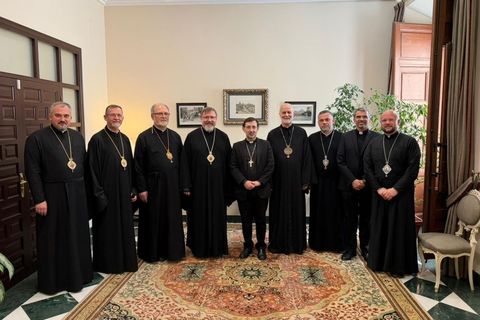
On May 26 in Madrid, during a meeting of the Permanent Synod of Bishops of the Ukrainian Greek Catholic Church, discussions focused on preparations for the main theme of the 2026 General Synod of Bishops: pastoral care for vocations to the priesthood and religious life. Topics included the role of the family, parish communities, and spiritual guidance in fostering vocations, as well as the challenges posed by war, the crisis of fatherhood, and support for the clergy.
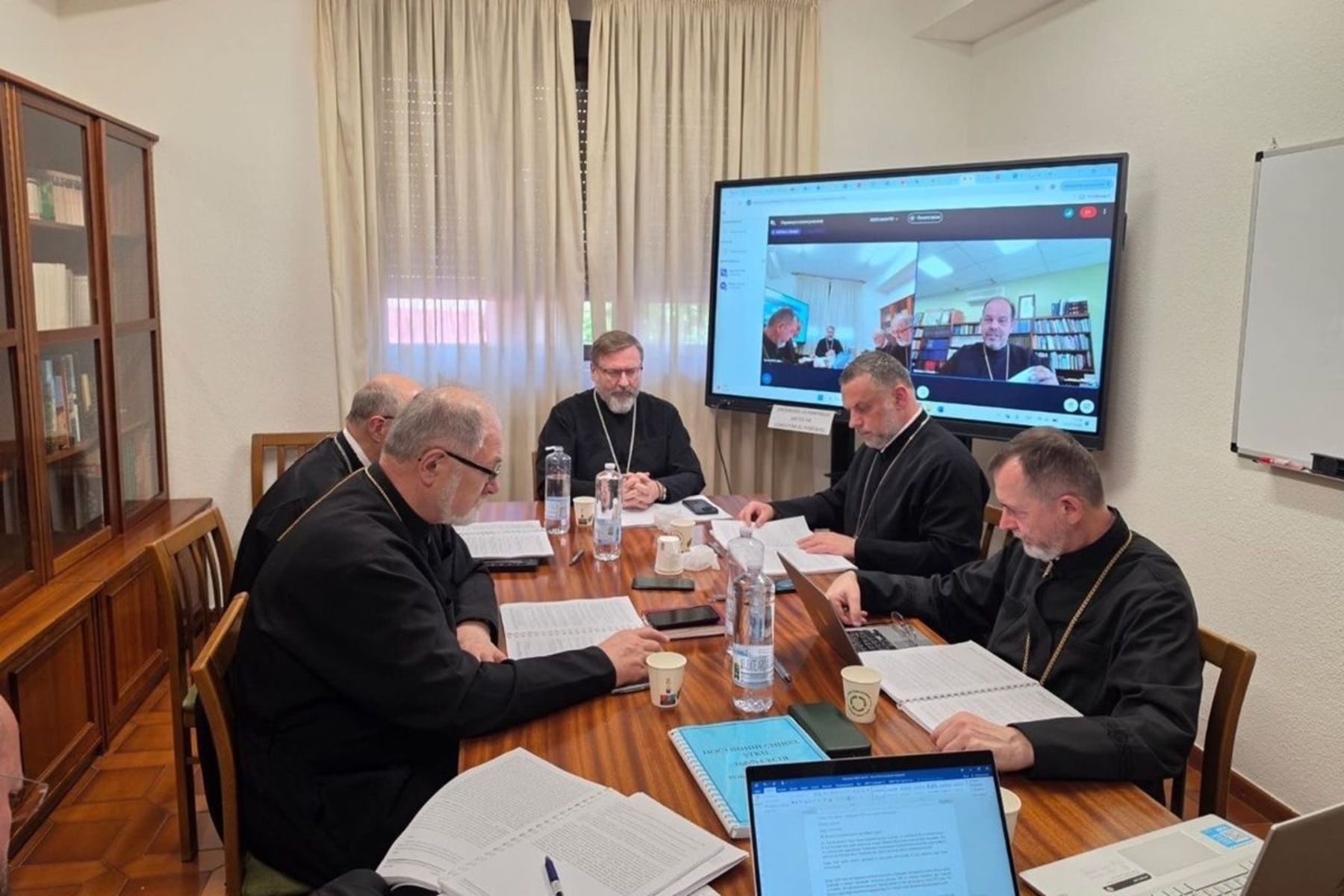
This was reported by the press service of the Secretariat of the Synod of Bishops of the UGCC.
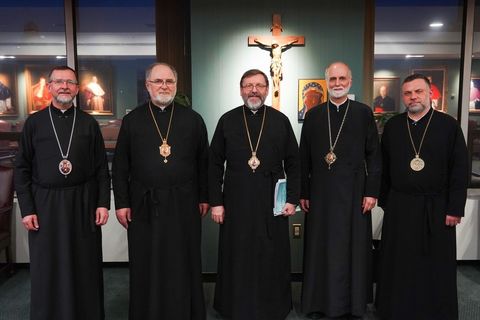
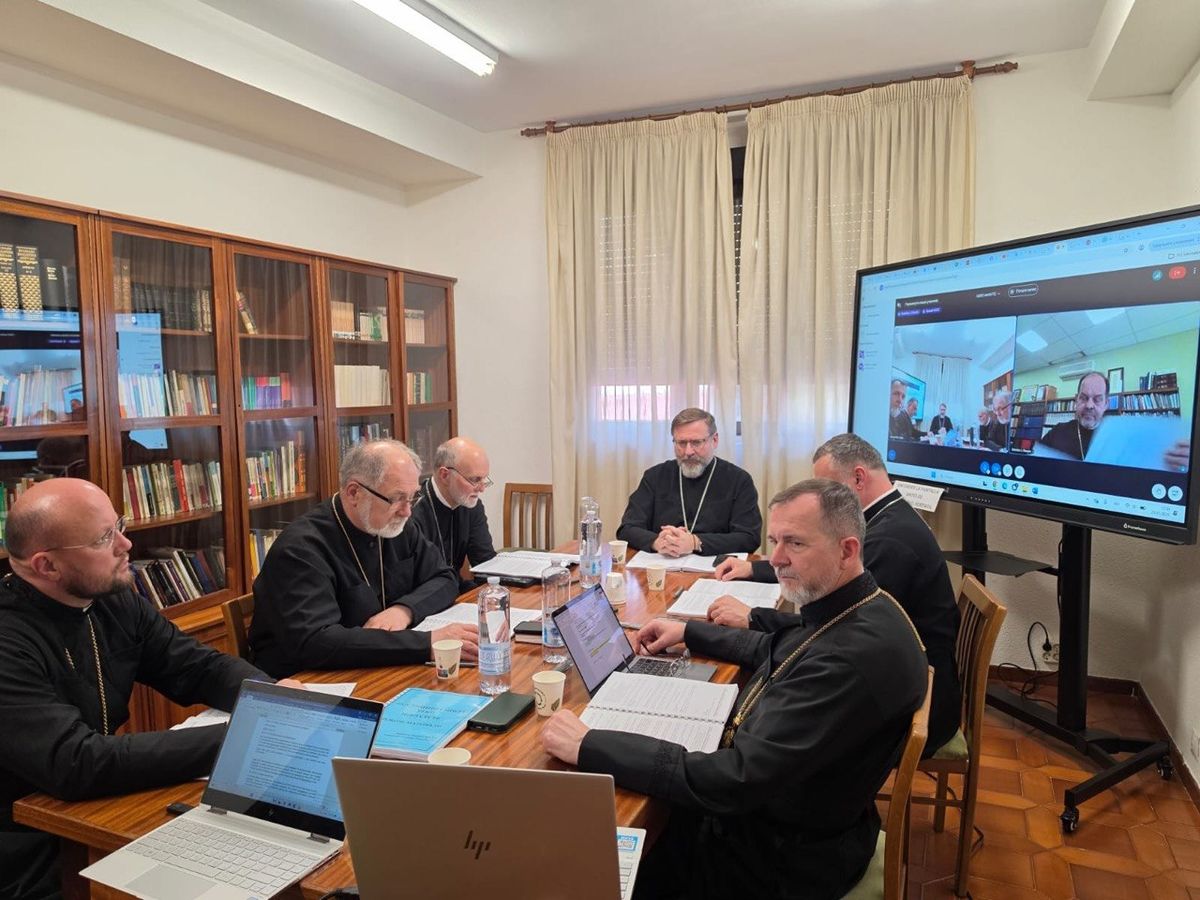
During the afternoon session, members of the Permanent Synod of the UGCC—His Beatitude Sviatoslav, Metropolitan Borys Gudziak, Bishop Volodymyr Yushchak, Bishop Josafat Moschych, and Bishop Bohdan Dzyurakh—discussed preparations for the main theme of the 2026 Synod of Bishops of the UGCC: “Pastoral Care for Vocations to the Priesthood and Monastic Life.”
The main presentations were delivered by Bishops Mykhailo Bubniy and Bohdan Danylo, who are responsible for preparing the main theme of the upcoming Synod. In their remarks, they emphasized the need to foster a “culture of vocations” within the Church—one that must take root in families, parish communities, and through the living witness of the clergy.
The bishops first introduced the speakers for the upcoming Synod of Bishops of the UGCC, which will take place July 1–10, 2026, at the Marian Spiritual Center “Zarvanytsia.” This was followed by a brief overview of the structure, format, and key points of each presentation. Bishop Bohdan Danylo will be one of the speakers on the Synod’s main theme.
In his address, Bishop Bohdan Danylo paid particular attention to the role of the family in fostering priestly vocations. According to the speaker, the family is the “first seminary,” where a child first learns love, trust, and openness to God’s voice. The bishop emphasized that vocations are born where faith is experienced as joy rather than coercion.
A separate section of the report was devoted to the challenges of war and the crisis of fatherhood. The document notes that the war is creating a generation of children growing up without parents or with a wounded experience of fatherhood. At the same time, it is precisely under these circumstances that the need for spiritual fatherhood and priestly ministry becomes especially urgent—as a space for healing, guidance, and hope.
Members of the Synod also discussed the role of parish communities in fostering vocations. The report emphasized that vocations cannot be “created” administratively—they can only be nurtured in a vibrant Christian environment where young people have the opportunity to encounter Christ, experience fellowship, and witness joyful and sacrificial priestly ministry.
Another important topic of discussion was the role of the bishop as a spiritual father and chief formator of the clergy. The speakers emphasized that today’s bishop is called not only to administer, but also to be present among young people, accompany seminarians, and create an environment in which young people are not afraid to respond to God’s call.
During the meeting, a report on the activities of the Patriarchal Commission on Clergy Affairs was also presented. In particular, the discussion addressed efforts to improve seminary formation, create programs for the psychological and spiritual support of the clergy, and support priests during wartime. The commission pays particular attention to the mental health of clergy, the prevention of burnout, and ongoing formation for priests.
The participants emphasized that today’s youth are searching for meaning, sacrifice, and mission. Therefore, the priesthood and consecrated life must be presented not as a form of social status, but as a heroic gift of self to God and to others.
In concluding the discussion, members of the Permanent Synod emphasized the importance of the joint efforts of bishops, priests, monastics, families, and the laity in fostering a new generation of vocations capable of responding to the challenges of the modern world and bearing witness to the living presence of Christ in the Church.
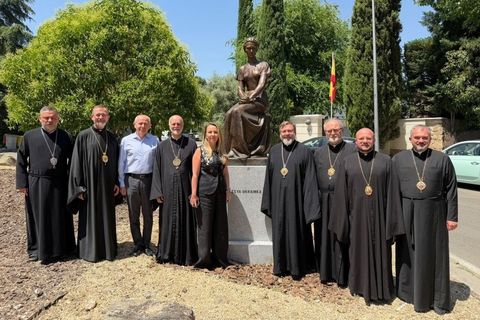
This year’s session of the Permanent Synod is taking place in the Spanish capital at the invitation of the Ordinariate for the Faithful of the Eastern Catholic Churches in Spain, which is celebrating the 10th anniversary of its establishment.
The UGCC Department for Information